


 Sign in
 Rose Catalog
Constance Spry, shrub

Registration name
AUStance
Also known as
AUSfirst
Share
Prices nearby
or to see prices for this rose



















Brief summary
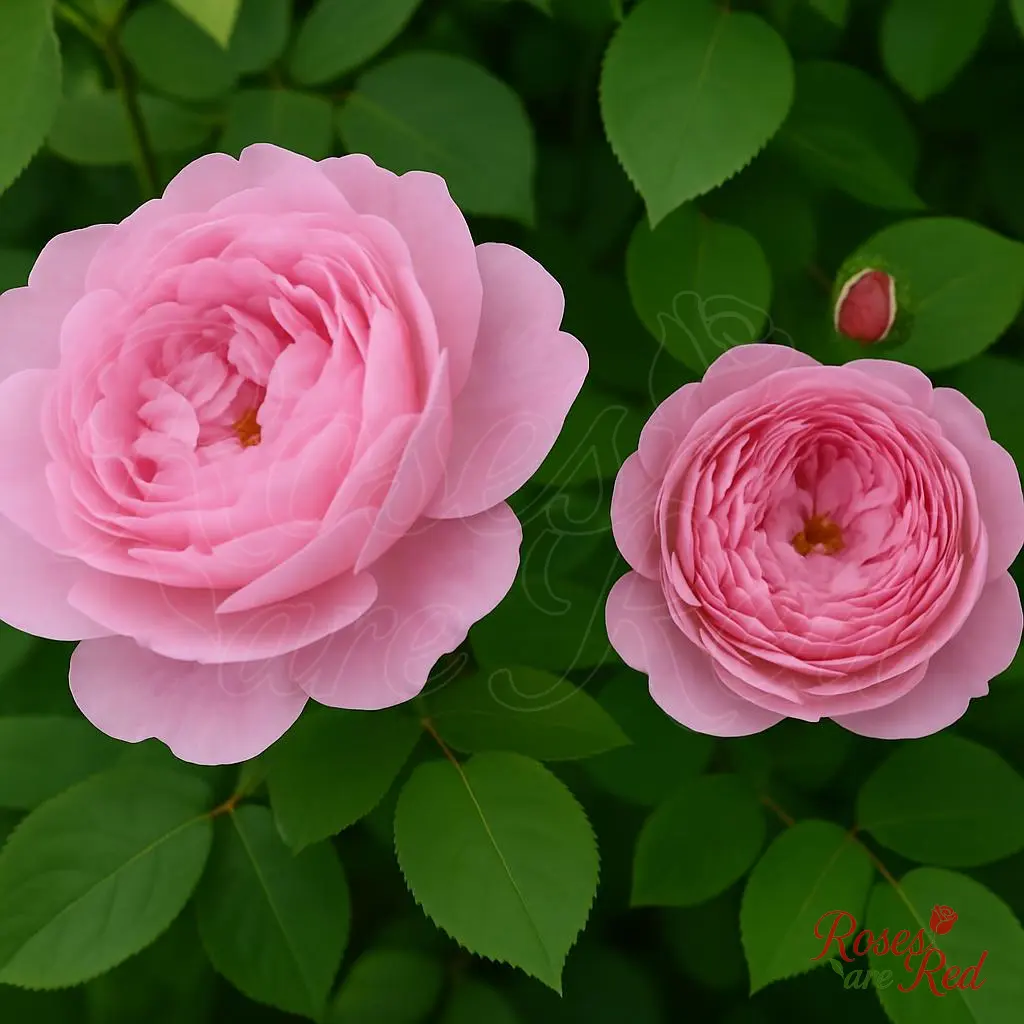
Modern Rose, shrub "Constance Spry", United Kingdom, introduced by David C. H. Austin in 1960, Usually is pink in color, deep cup bloom shape, full petal count, blooms 13 - 16 cm in size, has 1-3 buds per stem, once rebloom, has moderate fragrance, the bush shape can be climbing, spreading, 150 - 180 cm in height, 180 - 300 cm in width, suitable for USDA zone 6 from -23°C and above, low resistance to rain, strong resistance to black spot, low resistance to mildew.
Main characteristics

Aroma

USDA Zone 6
-23°С

Rebloom


Bush Shape


Bloom Shape
Deep cup
Size

Height
150 - 180 cm

Width
180 - 300 cm

Bloom size
13 - 16 cm

Buds / Stem
1-3

Petal Count
Full
Resistance

Heat

Shade

Rain

Black Spot

Mildew
More information
Constance Spry is an original English Rose that drew much interest when introduced by Graham Thomas (Graham Stuart Thomas, 3 April 1909–17 April 2003), an English botanist known for work with garden roses, for restoring more than 100 national gardens, and for writing 19 gardening books, many regarded as classics. Introduced in 1961, it blooms once in early summer. The blooms are very large, cup-shaped, delicate pink, among the largest in English and antique roses, and carry a strong myrrh scent. Growth is vigorous and may outgrow small spaces. It can be trained up a support or low fence and grown as a climbing rose, reaching about 4 m and producing many large flowers at bloom time.
The flowers are rounded with many small petals and rarely open flat. Outer petals are pale pink, with a deeper tone inside. They occur singly or in clusters of up to 6, most often 3. Trained on a wall or around a support, a plant in full bloom bears numerous inflorescences. The shrub is very tall, with arching, drooping shoots and many small prickles. Foliage is large, matte, pale green. After flowering it may be affected by black spot and powdery mildew. Easy to root from cuttings, and on its own roots forms a low bush with many shoots.
Climbing habit with large, densely waved, cup-shaped, fragrant flowers of deep pink. Foliage is stiff; the plant is strongly growing and spreading. It reaches about 6 m in height and 3 m in width. When grown as a bush, support is required. Tolerates semi-shade.
Large, pure pink flowers with a neat, cupped form; in bloom the shrub bears many flowers. Plants quickly build a very large bush. It can be grown as a plaited (trained) rose; with sufficient space it also performs as a free-standing shrub. Petals are waved and the fragrance is myrrh. It blooms once per year; allow ample space.
Rounded, cup-shaped, peony-like blooms; pure, bright pink with a delicate myrrh-like fragrance; foliage is abundant and grey-green. In cold climates, shoots may freeze without shelter, but the plant can regenerate and form a tidy bush.
One of the first roses bred by David Austin, Constance Spry shows many characteristics of later English Roses, with the exception that it flowers only once a season. Rounded, reddish buds open to very double, deeply cupped flowers 13–14 cm in diameter, in a clear pure pink. Fragrant blooms appear in clusters in mid-summer. In some regions, occasional flowers may appear after the main flush. Shoots are spiny, arched, and drooping. Foliage is dark green, semi-matt. Classified as a shrub; without support it reaches 150–180 cm, but due to a lax, spreading habit it is often planted in groups so shoots support one another, or grown as a climber. In hot climates it grows taller but may flower weakly, performing best in cooler conditions. Disease resistant. Shade-tolerant variety.
The flowers are rounded with many small petals and rarely open flat. Outer petals are pale pink, with a deeper tone inside. They occur singly or in clusters of up to 6, most often 3. Trained on a wall or around a support, a plant in full bloom bears numerous inflorescences. The shrub is very tall, with arching, drooping shoots and many small prickles. Foliage is large, matte, pale green. After flowering it may be affected by black spot and powdery mildew. Easy to root from cuttings, and on its own roots forms a low bush with many shoots.
Climbing habit with large, densely waved, cup-shaped, fragrant flowers of deep pink. Foliage is stiff; the plant is strongly growing and spreading. It reaches about 6 m in height and 3 m in width. When grown as a bush, support is required. Tolerates semi-shade.
Large, pure pink flowers with a neat, cupped form; in bloom the shrub bears many flowers. Plants quickly build a very large bush. It can be grown as a plaited (trained) rose; with sufficient space it also performs as a free-standing shrub. Petals are waved and the fragrance is myrrh. It blooms once per year; allow ample space.
Rounded, cup-shaped, peony-like blooms; pure, bright pink with a delicate myrrh-like fragrance; foliage is abundant and grey-green. In cold climates, shoots may freeze without shelter, but the plant can regenerate and form a tidy bush.
One of the first roses bred by David Austin, Constance Spry shows many characteristics of later English Roses, with the exception that it flowers only once a season. Rounded, reddish buds open to very double, deeply cupped flowers 13–14 cm in diameter, in a clear pure pink. Fragrant blooms appear in clusters in mid-summer. In some regions, occasional flowers may appear after the main flush. Shoots are spiny, arched, and drooping. Foliage is dark green, semi-matt. Classified as a shrub; without support it reaches 150–180 cm, but due to a lax, spreading habit it is often planted in groups so shoots support one another, or grown as a climber. In hot climates it grows taller but may flower weakly, performing best in cooler conditions. Disease resistant. Shade-tolerant variety.
Popular Breeders
Articles