


 Sign in
 Rose Catalog
Comte de Chambord, portland
Share
Prices nearby
or to see prices for this rose



















Brief summary
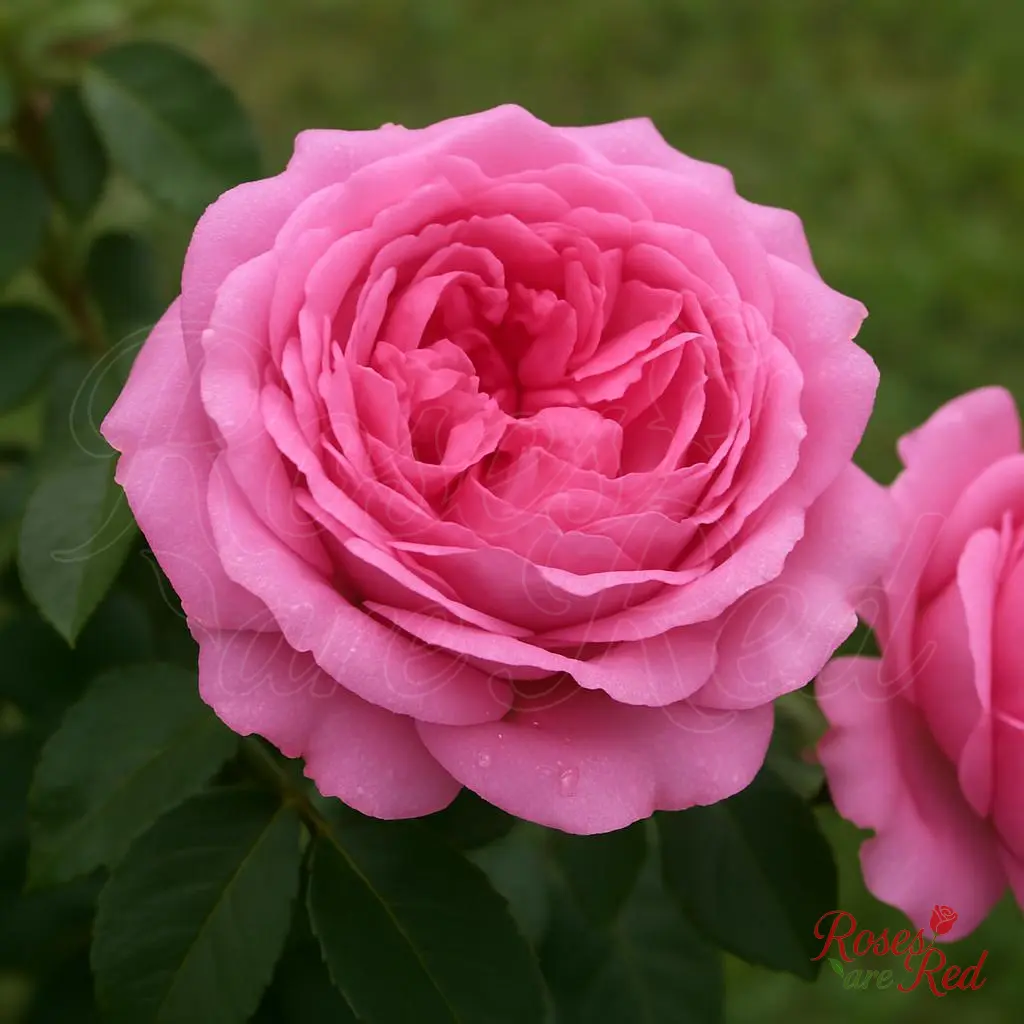
Old Garden Rose, portland "Comte de Chambord", introduced by Moreau-Robert in 1860, Usually is pink in color, cupped bloom shape, blooms 8 - 9 cm in size, has 3-5 buds per stem, repeat rebloom, has rich fragrance, the bush shape can be upright, 150 - 175 cm in height, 120 cm in width, suitable for USDA zone 5 from -29°C and above, low resistance to rain, low resistance to black spot, moderate resistance to mildew.
Main characteristics

Aroma

USDA Zone 5
-29°С

Rebloom


Bush Shape

Bloom Shape
Cupped
Size

Height
150 - 175 cm

Width
120 cm
Bloom size
8 - 9 cm
Buds / Stem
3-5

Petal Count
Resistance

Heat

Shade

Rain

Black Spot
Mildew
More information
Comte de Chambord ranks among the most popular and widely grown roses of the 19th century and is a notable vintage rose variety. The blooms are cup-shaped, deep rich pink at the center with paler edges; the outer petals curve downward, and the center is slightly flattened. The petals are very delicate and may spoil in rainy weather, but the profuse flowering often mitigates this. Clusters typically bear 3-5 flowers. The bush is stiff and upright, and it is sometimes affected by black spot.
This well-known Portland rose is a vigorous, repeat-blooming, winter-hardy shrub with good disease resistance and a strong fragrance. It is a parent of ‘Gertrude Jekyll’. Compared with ‘Gertrude Jekyll’, Comte de Chambord is shorter, has a more compact habit, produces very abundant repeat bloom, and shows disease resistance that is comparable.
An old rose with large, densely petalled pink flowers and a pronounced fragrance. It forms a low shrub reaching about 1 m in height and 70 cm in width, well-shaped and densely foliated. The foliage is large and grey-green, providing a clear backdrop to the flowers. The cultivar performs across a wide range of conditions and, due to its modest size, is suitable for small gardens. In spring, reduce the previous year’s shoots by roughly one third and remove any dead wood.
Specialists debate its identity—whether it belongs to the Portland group or to the remontant hybrids, or whether it is actually the same cultivar as the rose known as ‘Madame Boll’. Regardless of name or class, the elongated buds open to flat, densely petalled flowers 7-10 cm across. The rich pink petals are tightly packed and can crumple and twist over one another. Strongly scented blooms appear singly or in small clusters. Flowering is heavy in early summer, followed by additional waves, especially abundant if spent blooms are removed. Shoots are moderately spiny, with greyish-green foliage. The shrub is compact, reaching 90-120 cm in height and about the same in width. Suitable for settings that seek the appearance of vintage roses where space is limited; used in mixed borders and group plantings. Shows disease resistance but can be affected by black spot. Shade tolerant.
This well-known Portland rose is a vigorous, repeat-blooming, winter-hardy shrub with good disease resistance and a strong fragrance. It is a parent of ‘Gertrude Jekyll’. Compared with ‘Gertrude Jekyll’, Comte de Chambord is shorter, has a more compact habit, produces very abundant repeat bloom, and shows disease resistance that is comparable.
An old rose with large, densely petalled pink flowers and a pronounced fragrance. It forms a low shrub reaching about 1 m in height and 70 cm in width, well-shaped and densely foliated. The foliage is large and grey-green, providing a clear backdrop to the flowers. The cultivar performs across a wide range of conditions and, due to its modest size, is suitable for small gardens. In spring, reduce the previous year’s shoots by roughly one third and remove any dead wood.
Specialists debate its identity—whether it belongs to the Portland group or to the remontant hybrids, or whether it is actually the same cultivar as the rose known as ‘Madame Boll’. Regardless of name or class, the elongated buds open to flat, densely petalled flowers 7-10 cm across. The rich pink petals are tightly packed and can crumple and twist over one another. Strongly scented blooms appear singly or in small clusters. Flowering is heavy in early summer, followed by additional waves, especially abundant if spent blooms are removed. Shoots are moderately spiny, with greyish-green foliage. The shrub is compact, reaching 90-120 cm in height and about the same in width. Suitable for settings that seek the appearance of vintage roses where space is limited; used in mixed borders and group plantings. Shows disease resistance but can be affected by black spot. Shade tolerant.
Popular Breeders
Articles