


 Sign in
 Rose Catalog
Share
Prices nearby
or to see prices for this rose



















Brief summary
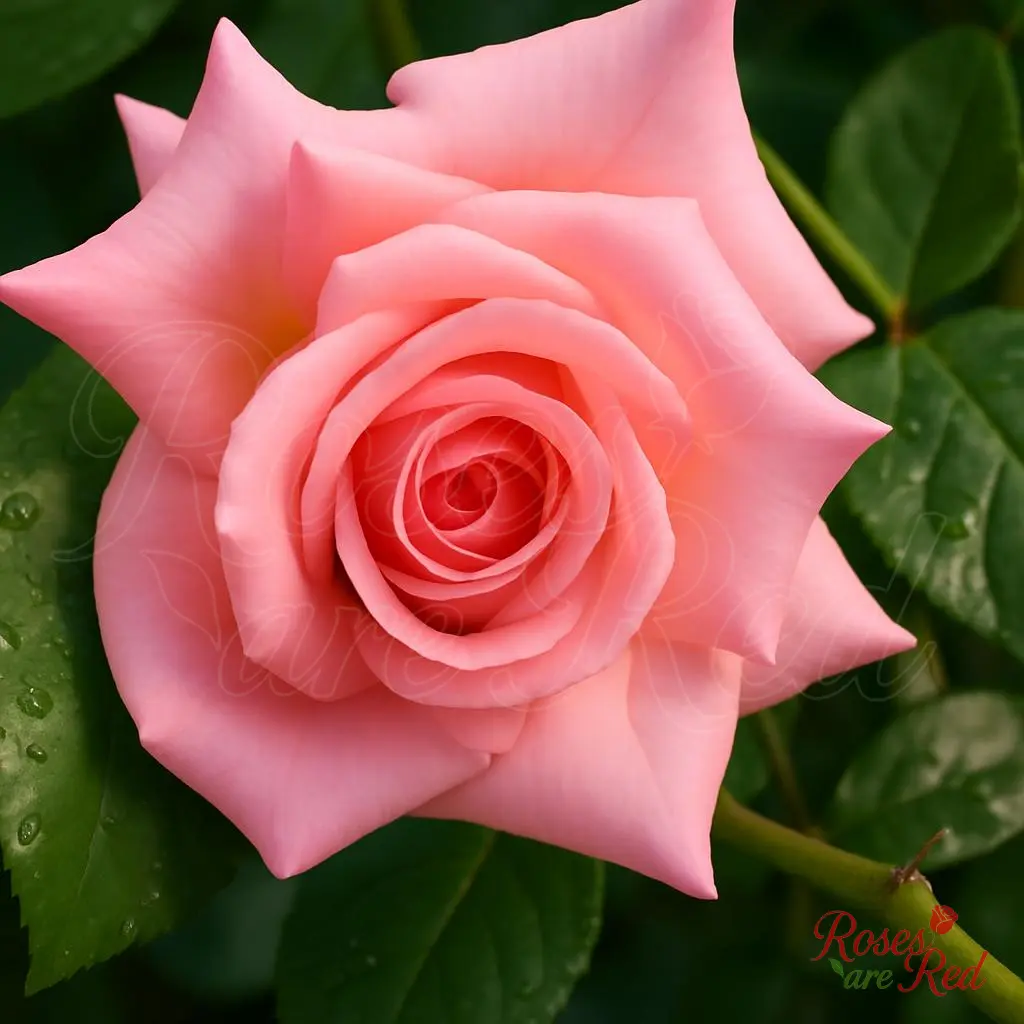
Modern Rose, hybrid tea "Compassion", introduced by Harkness & Co. Ltd in 1972, Usually is peach in color, high-center (point) bloom shape, blooms 12 - 13 cm in size, has 3-5 buds per stem, repeat rebloom, has rich fragrance, the bush shape can be climbing, upright, 200 - 300 cm in height, 200 cm in width, suitable for USDA zone 6 from -23°C and above, low resistance to rain, strong resistance to black spot, strong resistance to mildew.
Main characteristics

Aroma

USDA Zone 6
-23°С

Rebloom


Bush Shape


Bloom Shape
High-center (Point)
Size

Height
200 - 300 cm

Width
200 cm

Bloom size
12 - 13 cm

Buds / Stem
3-5

Petal Count
Resistance

Heat

Shade

Rain

Black Spot
Mildew
More information
Compassion is a widely grown rose with variegated coloring. At opening, the blooms show a mix of salmon‑pink, apricot, and orange, with the upper surface of the petals pure pink. Buds have the classic Hybrid Tea form and open to densely petalled flowers with wavy edges. The color later fades to an off‑white. Blooms appear singly or in clusters of up to 5. The bush is large, stiff, upright, well‑clothed, and reported as not getting sick.
Flowers are salmon‑colored, large (12 cm), and rounded. In fully opened blooms, petals can brown and wither on the plant. Rain damages the flowers. The variety blooms profusely, and the upright, stiff shoots make shaping difficult.
Buds of classic shape open to apricot flowers with a copper‑pink blush. Blooms appear singly or in small clusters. The bush is very strong and upright, with dark, glossy foliage. Used in small gardens.
Large, double, classically Hybrid Tea‑shaped flowers reach 12–13 cm in diameter. They are fragrant, with salmon‑pink coloring and peach tones at the center, appearing singly or in small clusters. Flowering begins in early summer and continues abundantly through summer and autumn. Shoots are spiny and branching; foliage is large, shiny, and dark green. Shoots are very stiff and cannot be wrapped around an obelisk; commonly planted against a wall or hedge. With hard pruning, the rose can be grown as a shrub. Disease resistance is described as good.
The combination of pink, salmon, and peach tones varies with day length and sunlight intensity; longer, warmer days accentuate the salmon‑pink. Large, globular buds open to blooms with a pointed center, then continue to expand into large, calyx‑shaped flowers whose petals blend the full range of colors. Each 10 cm bloom has about 45 petals. The fragrance is strong, even from a single flower. Flowering occurs in two pronounced waves. Growth is robust, and branch direction is easy to manage. Branches are somewhat stiff, so training is best started when they are beginning to become woody but are not yet rigid. The plant reaches up to 3.6 m in height and 2.4 m in width. Leaves are large, dark green, and abundant, forming a strong backdrop for the blooms. Late in the season, there may be slight powdery mildew or black spot; good growing conditions reduce incidence, though susceptibility remains. (F.Harkness)
Flowers are salmon‑colored, large (12 cm), and rounded. In fully opened blooms, petals can brown and wither on the plant. Rain damages the flowers. The variety blooms profusely, and the upright, stiff shoots make shaping difficult.
Buds of classic shape open to apricot flowers with a copper‑pink blush. Blooms appear singly or in small clusters. The bush is very strong and upright, with dark, glossy foliage. Used in small gardens.
Large, double, classically Hybrid Tea‑shaped flowers reach 12–13 cm in diameter. They are fragrant, with salmon‑pink coloring and peach tones at the center, appearing singly or in small clusters. Flowering begins in early summer and continues abundantly through summer and autumn. Shoots are spiny and branching; foliage is large, shiny, and dark green. Shoots are very stiff and cannot be wrapped around an obelisk; commonly planted against a wall or hedge. With hard pruning, the rose can be grown as a shrub. Disease resistance is described as good.
The combination of pink, salmon, and peach tones varies with day length and sunlight intensity; longer, warmer days accentuate the salmon‑pink. Large, globular buds open to blooms with a pointed center, then continue to expand into large, calyx‑shaped flowers whose petals blend the full range of colors. Each 10 cm bloom has about 45 petals. The fragrance is strong, even from a single flower. Flowering occurs in two pronounced waves. Growth is robust, and branch direction is easy to manage. Branches are somewhat stiff, so training is best started when they are beginning to become woody but are not yet rigid. The plant reaches up to 3.6 m in height and 2.4 m in width. Leaves are large, dark green, and abundant, forming a strong backdrop for the blooms. Late in the season, there may be slight powdery mildew or black spot; good growing conditions reduce incidence, though susceptibility remains. (F.Harkness)
Popular Breeders
Articles