

 Sign in
 Rose Catalog
Share
Prices nearby
or to see prices for this rose



















Brief summary
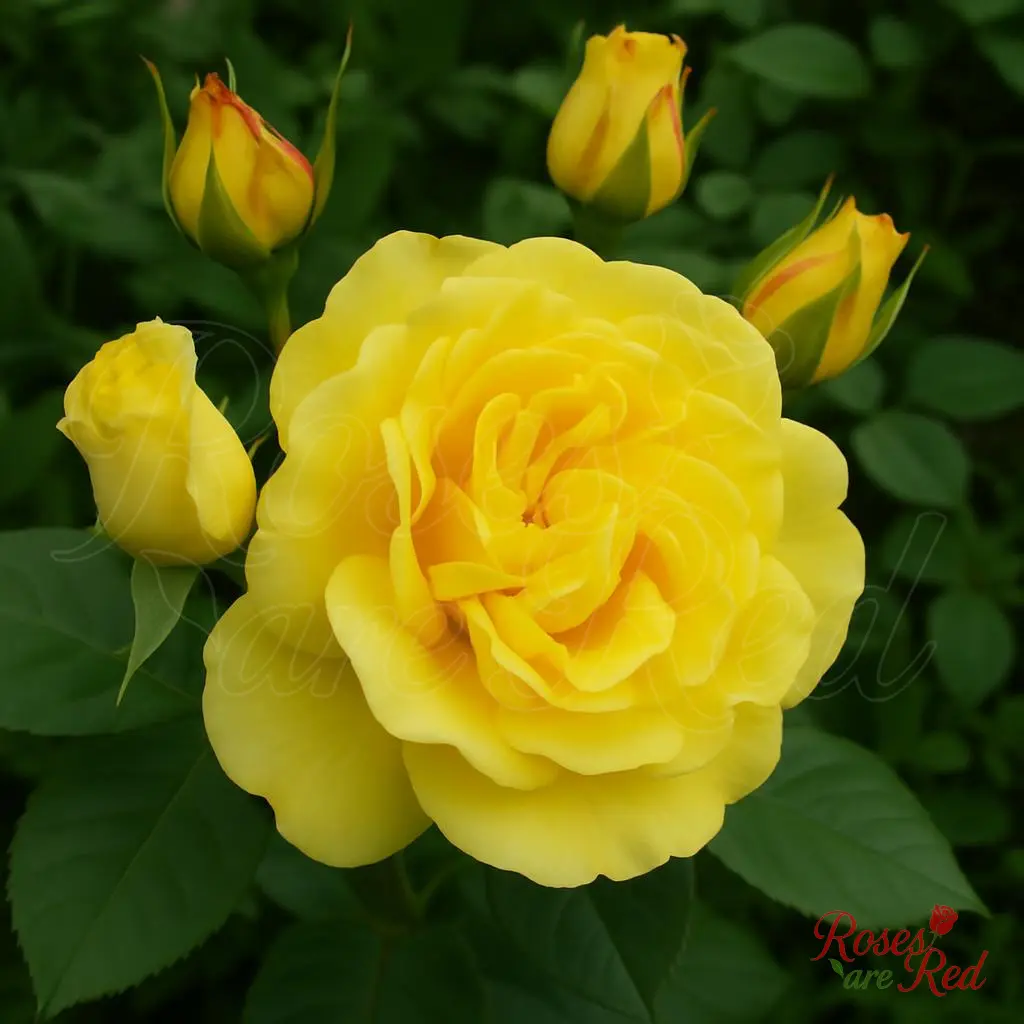
Modern Rose, floribunda "Chinatown", introduced by Poulsen Roser in 1963, Usually is yellow in color, semi double bloom shape, blooms 10 - 12 cm in size, has 3-5 buds per stem, repeat rebloom, has moderate fragrance, the bush shape can be bushy, 150 - 175 cm in height, 200 cm in width, suitable for USDA zone 5 from -29°C and above, moderate resistance to rain, moderate resistance to black spot, moderate resistance to mildew.
Main characteristics

Aroma

USDA Zone 5
-29°С

Rebloom


Bush Shape

Bloom Shape
Semi double
Size

Height
150 - 175 cm

Width
200 cm

Bloom size
10 - 12 cm

Buds / Stem
3-5

Petal Count
Resistance

Heat

Shade

Rain

Black Spot
Mildew
More information
Chinatown is a strongly branched shrub that bears clustered flowers. Blooming occurs in large numbers until late autumn. When first opening, the flowers are canary yellow; they fade to pale yellow or cream and acquire a pink tinge, especially along the petal edges. Some flowers appear singly, but most are in clusters of up to 9. The shrub is densely foliated and tolerates poor soils. Flowers fade quickly in bright sun, so Chinatown performs better in cooler climates or partial shade.
Buds are large, elongated, and pointed, lemon-yellow with carmine-red streaks. Flowers are bright golden-yellow, persistent, even-toned, high-centered, large (8–10 cm), very double (46–48 petals), fragrant, in inflorescences of 3–6, on long, sturdy, thick pedicels 50–90 cm long. Leaves are large, abundant, dark green, leathery, and wrinkled. Spines are large. Shrub 90–100 cm tall, erect, dense. Blooms abundantly; repeat bloom is weak. Winter-hardy. Resistant to fungal diseases. For group plantings. Introduced in 1967.
Buds are large, elongated, and pointed, lemon-yellow with carmine-red streaks. Flowers are bright golden-yellow, persistent, even-toned, high-centered, large (8–10 cm), very double (46–48 petals), fragrant, in inflorescences of 3–6, on long, sturdy, thick pedicels 50–90 cm long. Leaves are large, abundant, dark green, leathery, and wrinkled. Spines are large. Shrub 90–100 cm tall, erect, dense. Blooms abundantly; repeat bloom is weak. Winter-hardy. Resistant to fungal diseases. For group plantings. Introduced in 1967.
Popular Breeders
Articles