

 Sign in
 Rose Catalog
Centifolia, centifolia
Also known as
Cabbage Provence
Cabbage Rose
Common Centifolia
Common Provence
Gul-i sad-warg
Hundred-Petalled Rose
Kohl-Rose
Old Cabbage Rose
Provence Rose
R centifolia
Rosa centifolia L
R gallica centifolia
Rosa gallica var centifolia Regel
Share
Prices nearby
or to see prices for this rose



















Brief summary
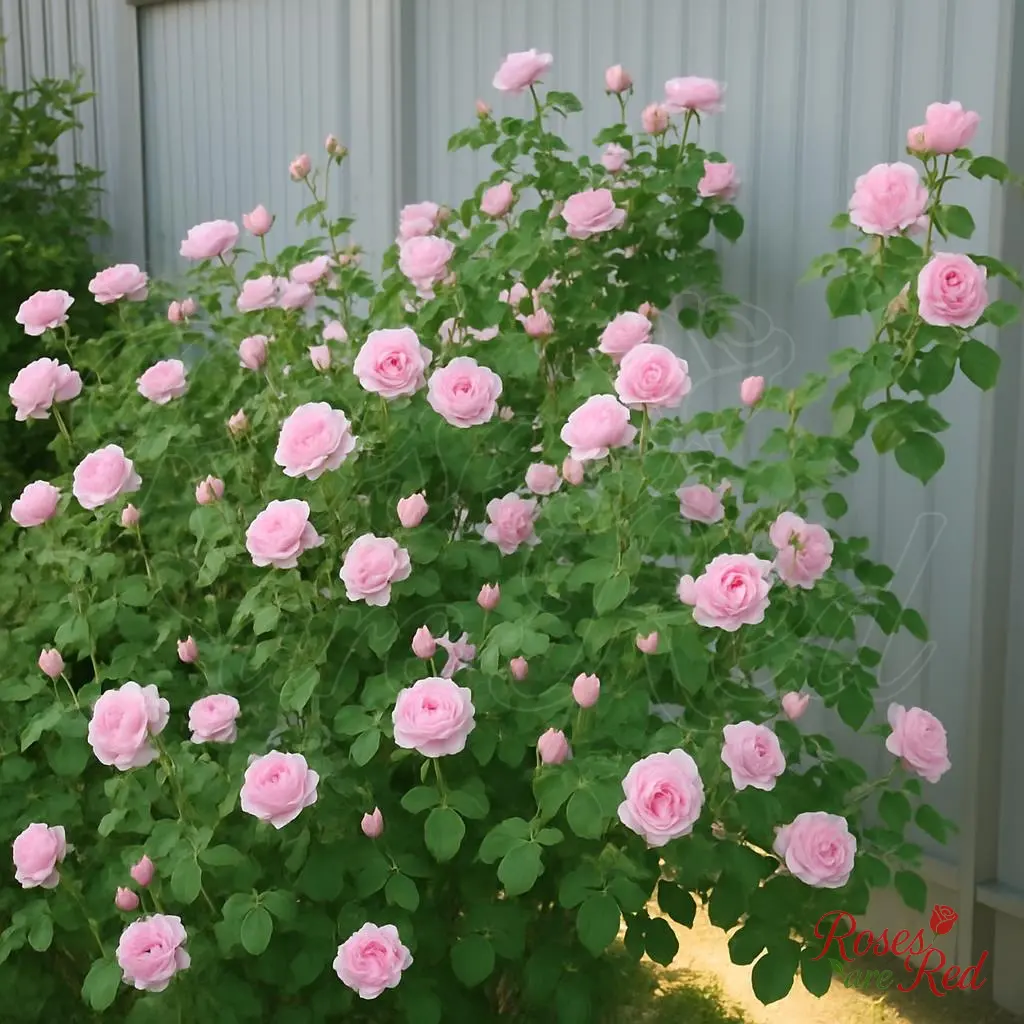
Old Garden Rose, centifolia "Centifolia", introduced in 1318, Usually is pink in color, globular bloom shape, blooms 8 - 9 cm in size, has 1-3 buds per stem, once rebloom, has rich fragrance, the bush shape can be arching, 120 - 150 cm in height, 150 cm in width, low resistance to rain, moderate resistance to black spot, moderate resistance to mildew.
Main characteristics

Aroma

Rebloom


Bush Shape

Bloom Shape
Globular
Size

Height
120 - 150 cm

Width
150 cm

Bloom size
8 - 9 cm
Buds / Stem
1-3

Petal Count
Resistance

Heat

Shade

Rain

Black Spot

Mildew
More information
No precise origin is known for the well-known ancient rose Centifolia. It is generally regarded as a cross between Gallic and Damask roses from the late 16th century, possibly originating in the Netherlands. The hybrid spread rapidly in cultivation, and from the 17th century onward it appears in many paintings. It was noted for its large flower size and sweet fragrance. In the 18th century, botanists treated it as a distinct species; modern botanists take a different position. The name Centifolia refers to its numerous petals; some proposed it should be called Centipetala.
The blooms contain over 100 petals; the outer petals are large and eventually reflex, while at the half-open stage they curl inward to form a large pink sphere. Flowers appear singly and in clusters of up to 7 on a large, loose, and rather irregular shrub. The shoots are prickly, and the foliage is stiff and drooping. The plant shows vigor and disease resistance, roots readily, and on its own roots forms thickets. Centifolia has produced many sporulates.
Synonyms not included in the description line:
Rosa X centifolia
- Rose a Cent Feuilles
- Rose Centfeuilles
- Rose Chou
- Rosier a Cent Feuilles
The blooms contain over 100 petals; the outer petals are large and eventually reflex, while at the half-open stage they curl inward to form a large pink sphere. Flowers appear singly and in clusters of up to 7 on a large, loose, and rather irregular shrub. The shoots are prickly, and the foliage is stiff and drooping. The plant shows vigor and disease resistance, roots readily, and on its own roots forms thickets. Centifolia has produced many sporulates.
Synonyms not included in the description line:
Rosa X centifolia
- Rose a Cent Feuilles
- Rose Centfeuilles
- Rose Chou
- Rosier a Cent Feuilles
Popular Breeders
Articles