

 Sign in
 Rose Catalog
Cafe, floribunda

Share
Prices nearby
or to see prices for this rose



















Brief summary
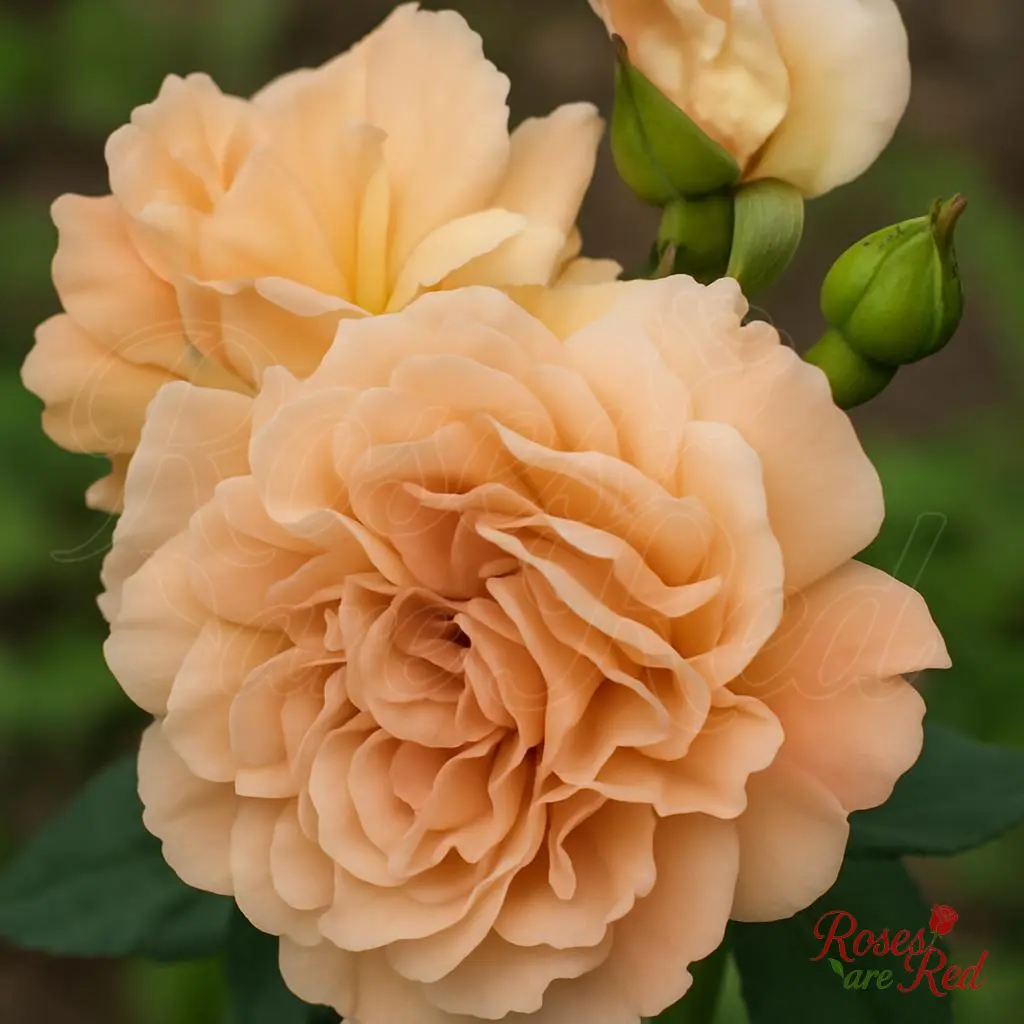
Modern Rose, floribunda "Cafe", Germany, introduced by Kordes Rosen in 1956, Usually is beige in color, cupped bloom shape, blooms 7 - 8 cm in size, has 3-5 buds per stem, repeat rebloom, has light fragrance, the bush shape can be bushy, 80 - 100 cm in height, 80 cm in width, suitable for USDA zone 6 from -23°C and above, moderate resistance to black spot, moderate resistance to mildew.
Main characteristics

Aroma

USDA Zone 6
-23°С

Rebloom


Bush Shape

Bloom Shape
Cupped
Size
Height
80 - 100 cm

Width
80 cm
Bloom size
7 - 8 cm

Buds / Stem
3-5

Petal Count
Resistance

Heat

Shade

Rain

Black Spot

Mildew
More information
Cafe arose as a by-product of Wilhelm Cordes’ work on breeding winter-hardy roses from kordesii hybrids. Its color is a blend of brown, yellow, and a shade described as “coffee and milk,” varying with the season. The blooms are fuller and more terry than many floribundas; when open they reveal a midrib and numerous small, wavy petals. Flowers are slightly cup-shaped, produced in small clusters (usually 3–5) and sometimes singly; the pedicels bend under the weight of the blooms, so the flowers droop. Foliage is dark green, glossy, and disease-resistant. Performance is weak in cold climates, and in hot climates the color may be lost; the cultivar responds well to good care.
Among the earliest brown roses, Cafe was bred by Cordes in 1956. The blooms are slightly flattened, recalling centifolia—an uncommon trait among brown roses. The coloration depends strongly on weather and season; under favorable conditions the variety produces large flowers in a true coffee-and-milk tone, consistently with a warm golden hue. Depending on climate and time of year, the flowers can present a pronounced copper-yellow coloration, similar to goldenrod. Cafe is also one of the few fragrant brown roses, with a rose-oil fragrance. For a floribunda, it forms a large bush with sizable flowers (9–10 cm) in clusters. The foliage is matte, bright green, and susceptible to powdery mildew.
Buds are rounded. Flowers are yellowish-coffee, cup-shaped, large (8 cm), terry (50–60 petals), fragrant, and borne in inflorescences of 4–13. Leaves are large, olive-green. Bushes are medium-height (60–70 cm), slightly spreading. Flowering is abundant. Winter-resistant. Suitable for group plantings.
Among the earliest brown roses, Cafe was bred by Cordes in 1956. The blooms are slightly flattened, recalling centifolia—an uncommon trait among brown roses. The coloration depends strongly on weather and season; under favorable conditions the variety produces large flowers in a true coffee-and-milk tone, consistently with a warm golden hue. Depending on climate and time of year, the flowers can present a pronounced copper-yellow coloration, similar to goldenrod. Cafe is also one of the few fragrant brown roses, with a rose-oil fragrance. For a floribunda, it forms a large bush with sizable flowers (9–10 cm) in clusters. The foliage is matte, bright green, and susceptible to powdery mildew.
Buds are rounded. Flowers are yellowish-coffee, cup-shaped, large (8 cm), terry (50–60 petals), fragrant, and borne in inflorescences of 4–13. Leaves are large, olive-green. Bushes are medium-height (60–70 cm), slightly spreading. Flowering is abundant. Winter-resistant. Suitable for group plantings.
Popular Breeders
Articles