


 Sign in
 Rose Catalog
Blaze Superior, large-flowered climber

Jan Böhm (Jan Böhm), 1935
Also known as
Demokracie
Blaze Improved
Improved Blaze
New Blaze
Share
Prices nearby
or to see prices for this rose



















Brief summary
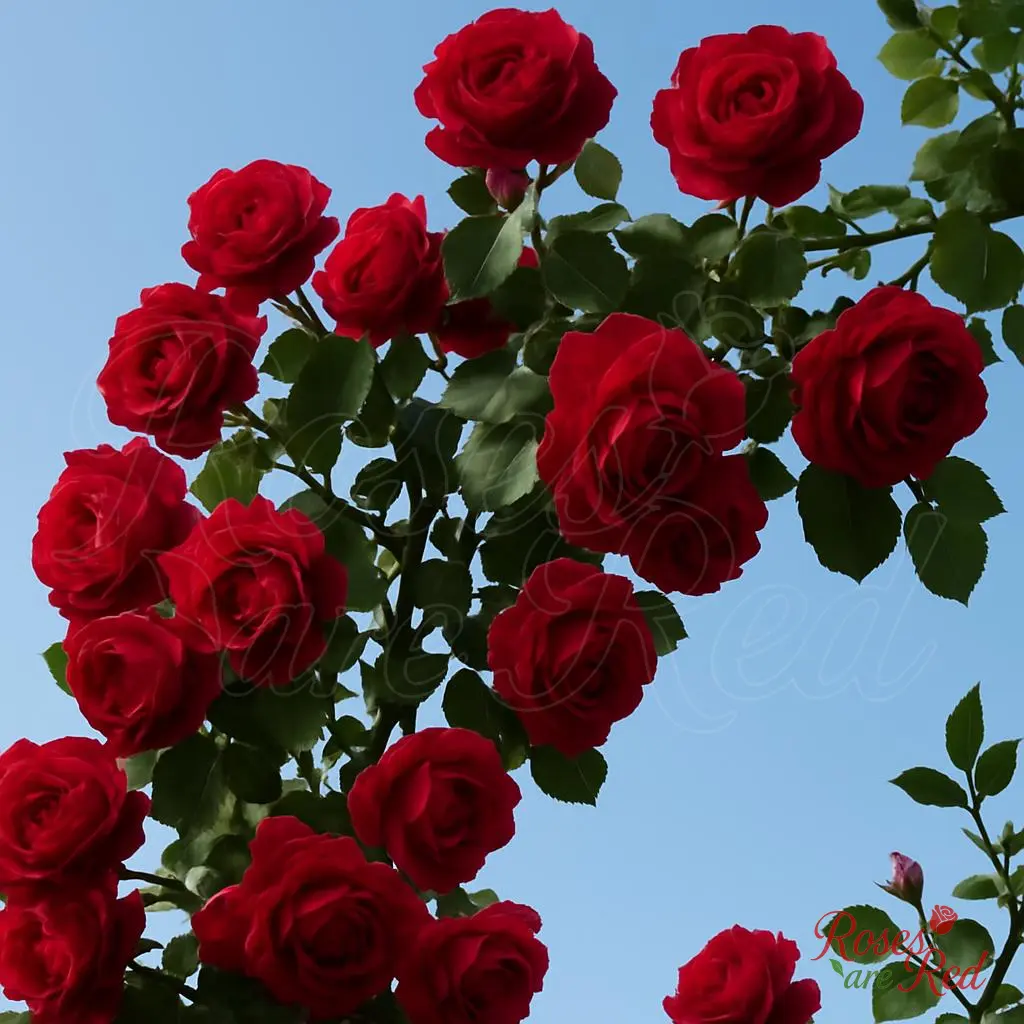
Modern Rose, large-flowered climber "Blaze Superior", Czech Republic, introduced by Jan Böhm in 1935, Usually is crimson in color, semi double bloom shape, blooms 8 - 9 cm in size, has 3-5 buds per stem, repeat rebloom, has light fragrance, the bush shape can be climbing, upright, 300 - 400 cm in height, 300 cm in width, suitable for USDA zone 5 from -29°C and above, moderate resistance to black spot, moderate resistance to mildew.
Main characteristics

Aroma

USDA Zone 5
-29°С

Rebloom


Bush Shape


Bloom Shape
Semi double
Size

Height
300 - 400 cm

Width
300 cm

Bloom size
8 - 9 cm

Buds / Stem
3-5

Petal Count
Resistance

Heat

Shade

Rain

Black Spot

Mildew
More information
One of Jan Bohm’s best-known roses, widely marketed in the USA as Blaze Superior. Bohm established one of the largest nurseries in southern Bohemia and bred about 100 rose varieties between 1925 and 1950. Blaze Superior is a large-flowered Wichurana hybrid, selected as an improved form of Blaze with larger, more vividly colored blooms. The flowers are intensely red, rounded, double, produced in great numbers, either singly or in clusters of up to 7. After the first abundant flush, subsequent flowers tend to appear singly. The plant is vigorous, with large, dark foliage. Owing to its winter hardiness, it is cultivated from Central Europe and Scandinavia to the USA.
Under its various names, this large-flowered climbing rose bears cup-shaped, semi-double blooms approximately 8–9 cm in diameter. The scarlet flowers appear in large clusters throughout summer and autumn. Fragrance is minimal. The foliage is shiny, bright green. Disease resistance is fairly good, though powdery mildew and black spot may occur; preventive measures are recommended.
Comparable to Blaze, but with more intensely red, better cup-shaped flowers; medium-sized (6–7 cm), double (23–33 petals), slightly fragrant, in inflorescences of up to 10, on sturdy, long pedicels. Leaves are dark green, leathery, glossy. Shrubs reach up to 2.5 m in height, spreading. Bloom is moderate but prolonged, with reliable remontancy. Winter-hardy. Susceptible to powdery mildew. Suitable for vertical landscaping and for bush culture. Int. GBS in 1968.
Under its various names, this large-flowered climbing rose bears cup-shaped, semi-double blooms approximately 8–9 cm in diameter. The scarlet flowers appear in large clusters throughout summer and autumn. Fragrance is minimal. The foliage is shiny, bright green. Disease resistance is fairly good, though powdery mildew and black spot may occur; preventive measures are recommended.
Comparable to Blaze, but with more intensely red, better cup-shaped flowers; medium-sized (6–7 cm), double (23–33 petals), slightly fragrant, in inflorescences of up to 10, on sturdy, long pedicels. Leaves are dark green, leathery, glossy. Shrubs reach up to 2.5 m in height, spreading. Bloom is moderate but prolonged, with reliable remontancy. Winter-hardy. Susceptible to powdery mildew. Suitable for vertical landscaping and for bush culture. Int. GBS in 1968.
Popular Breeders
Articles