

 Sign in
 Rose Catalog
Blanda, species

Prices nearby



















Brief summary
Main characteristics







Size




Resistance





More information
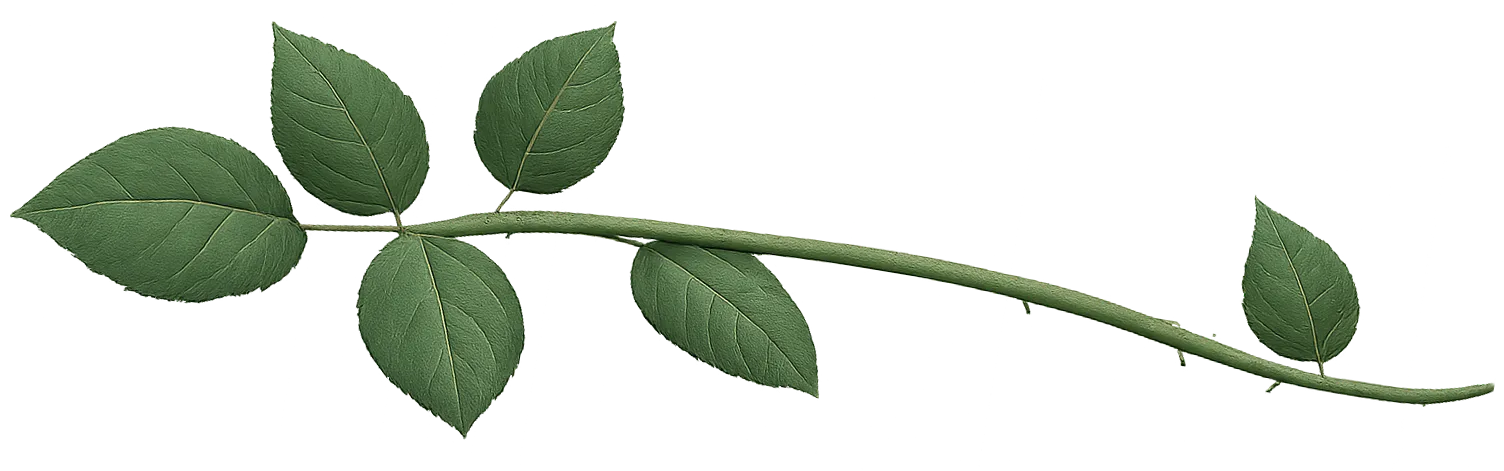
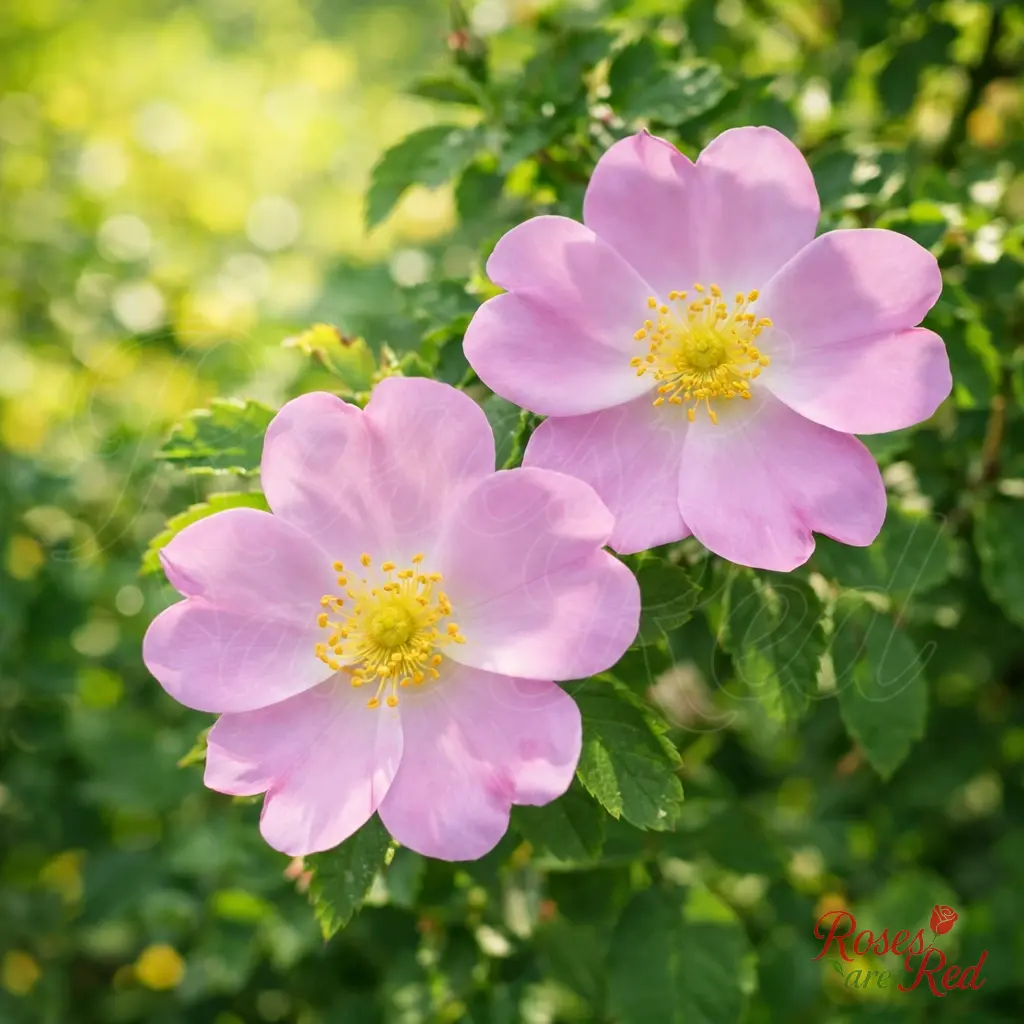
Labrador Rose is a species or wild rose with rose‑pink to medium pink flowers. It has a strong fragrance. Blooms are single with 4 to 8 petals and average about 5.7 cm in diameter, borne mostly solitary or in small clusters. It flowers once in spring or summer.The plant has an arching, bushy habit, is well-branched, and has few or no prickles. The foliage is medium, matte, dark green, and leathery, with 5 to 9 leaflets. Plants typically reach 150 to 250 cm in height and up to 120 cm in width.It is suitable for USDA zone 3b and warmer and is vigorous, producing decorative red, pear‑shaped hips. This diploid species was discovered in the United Kingdom in 1773 by James Gordon and is classified in section Cinnamomeae under the name Rosa blanda Aiton (1789).