

 Sign in
 Rose Catalog
Big Purple, hybrid tea

Stephens (Stephens), 1985
Registration name
STEbigpu
Also known as
Stephens Big Purple
Big Purple
Nuit d'Orient
Stephens' Rose Big Purple
Share
Prices nearby
or to see prices for this rose

















Brief summary
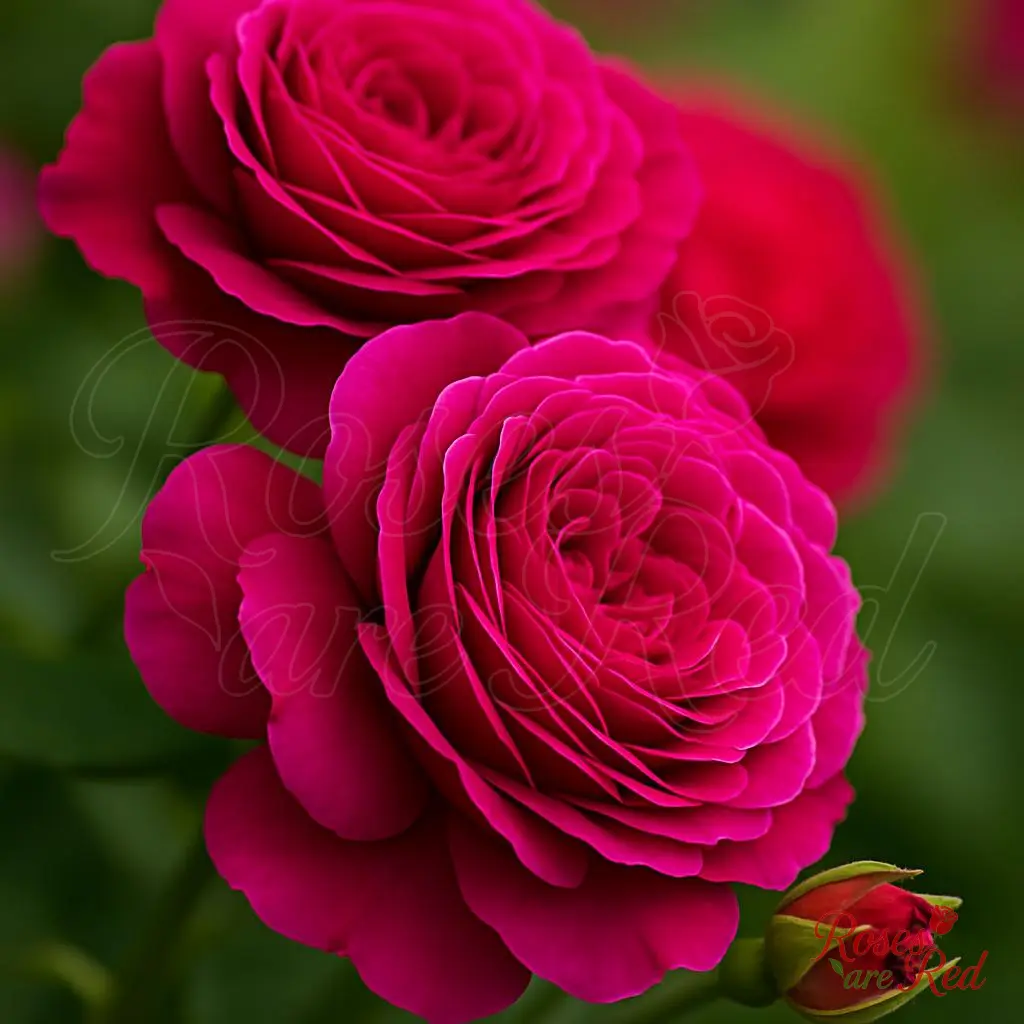
Modern Rose, hybrid tea "Big Purple", New Zealand, introduced by Stephens in 1985, Usually is purple, fuchsia in color, deep cup bloom shape, very full petal count, blooms 11 - 12 cm in size, has 1 buds per stem, repeat rebloom, has rich fragrance, the bush shape can be upright, 120 - 175 cm in height, 100 cm in width, suitable for USDA zone 6 from -23°C and above, strong resistance to heat, low resistance to rain, strong resistance to black spot, strong resistance to mildew, good for cutting.
Main characteristics

Aroma

USDA Zone 6
-23°С

Rebloom


Bush Shape

Bloom Shape
Deep cup
Size

Height
120 - 175 cm

Width
100 cm

Bloom size
11 - 12 cm
Buds / Stem
1

Petal Count
Very full
Resistance

Heat

Shade

Rain

Black Spot
Mildew
More information
This purple hybrid tea rose was bred by an amateur: Pat Stevens, secretary of the New Zealand Rose Society. ‘Big Purple’ produces large, well-formed, very fragrant flowers. Buds open slowly. Blooms usually appear singly on very long stems. The color varies by season and may shift toward crimson rather than purple under some conditions. Flowers have low rain tolerance, so the rose performs better in dry climates. Foliage is dark green; the plant is disease resistant, vigorous, and upright.
Very large, densely petalled flowers with a pronounced fragrance. Flowering is not abundant. In cold weather the blooms are distinctly purple.
Flowers are deep red with a dominant purple tinge. Freshly opened blooms show the strongest coloring; the color fades with age. Deadheading is needed to maintain appearance. Blooms are large, double (up to 45 petals), about 13 cm in diameter, with a distinct shape. Strong pink fragrance. Overall flower count is low: sufficient at the start of the season, weak by season’s end. The variety is tall, reaching about 1.4 m in height and 75 cm in width. Over time it can become leggy, with lower stems bare. Leaves are large with a grey-green cast. When stressed, it can be affected by powdery mildew and black spot. The variety is considered fairly disease resistant, though cultivation may require significant attention.
Very large, densely petalled flowers with a pronounced fragrance. Flowering is not abundant. In cold weather the blooms are distinctly purple.
Flowers are deep red with a dominant purple tinge. Freshly opened blooms show the strongest coloring; the color fades with age. Deadheading is needed to maintain appearance. Blooms are large, double (up to 45 petals), about 13 cm in diameter, with a distinct shape. Strong pink fragrance. Overall flower count is low: sufficient at the start of the season, weak by season’s end. The variety is tall, reaching about 1.4 m in height and 75 cm in width. Over time it can become leggy, with lower stems bare. Leaves are large with a grey-green cast. When stressed, it can be affected by powdery mildew and black spot. The variety is considered fairly disease resistant, though cultivation may require significant attention.
Popular Breeders
Articles