


 Sign in
 Rose Catalog
Aspirin Rose, floribunda
Also known as
TANiripsa
Aspirin-Rose
Glacier Magic
Special Child
Share
Prices nearby
or to see prices for this rose



















Brief summary
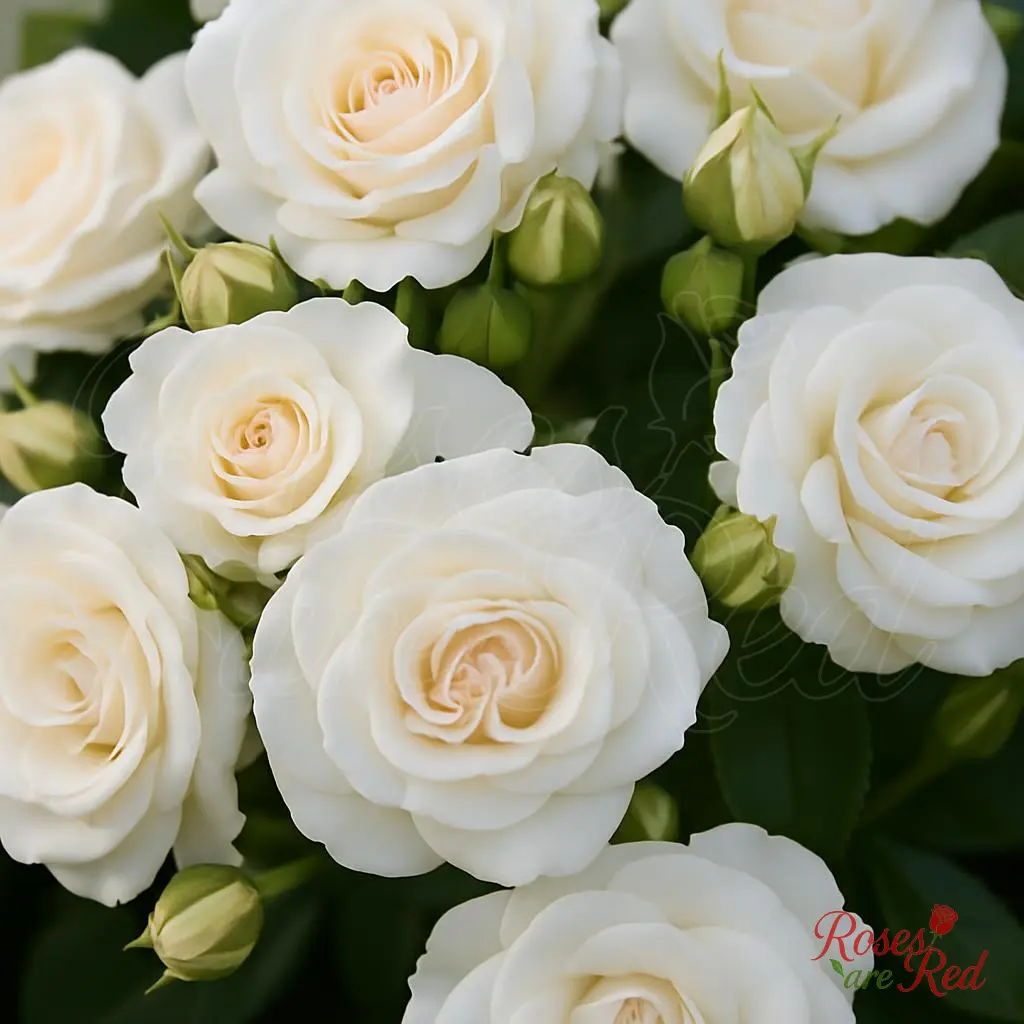
Modern Rose, floribunda "Aspirin Rose", introduced by Rosen Tantau in 1997, Usually is white in color, semi double bloom shape, blooms 4 - 6 cm in size, has 5-10 buds per stem, continual rebloom, has light fragrance, the bush shape can be spreading, 50 - 80 cm in height, 80 cm in width, suitable for USDA zone 5 from -29°C and above, strong resistance to rain, strong resistance to black spot, strong resistance to mildew.
Main characteristics

Aroma

USDA Zone 5
-29°С

Rebloom


Bush Shape

Bloom Shape
Semi double
Size

Height
50 - 80 cm

Width
80 cm

Bloom size
4 - 6 cm

Buds / Stem
5-10

Petal Count
Resistance

Heat

Shade

Rain

Black Spot

Mildew
More information
The cultivar named Aspirin was selected by Bayer to commemorate the centenary of the drug. This low-growing rose is used in varied settings—combining features of floribunda, miniature, shrub, and groundcover roses—and is planted in small gardens as well as in large-scale landscape masses. When barely open, especially in cold weather, the blooms show a pink tinge at the center; later they become pure white. Flowers appear in large numbers in clusters of 2–15, often covering the bush. Petals drop before they wither and turn brown. The plant forms a dense habit, sometimes wider than tall, with fine foliage. The variety shows high disease resistance, with some susceptibility to rust in areas where it occurs. Certified under the ADR system in 1996 .
The relatively young cultivar Aspirin Rose is used both as a floribunda and as a groundcover rose and heads the “City-Flor” series. In sunny weather the flowers are pure white; with limited sun the buds look slightly pinkish. It blooms profusely and almost continuously until late autumn and overwinters under a light shelter.
The relatively young cultivar Aspirin Rose is used both as a floribunda and as a groundcover rose and heads the “City-Flor” series. In sunny weather the flowers are pure white; with limited sun the buds look slightly pinkish. It blooms profusely and almost continuously until late autumn and overwinters under a light shelter.
Popular Breeders
Articles