


 Sign in
 Rose Catalog
Ambridge Rose, shrub

Registration name
AUSwonder
Also known as
Austin Wonder
Share
Prices nearby
or to see prices for this rose



















Brief summary
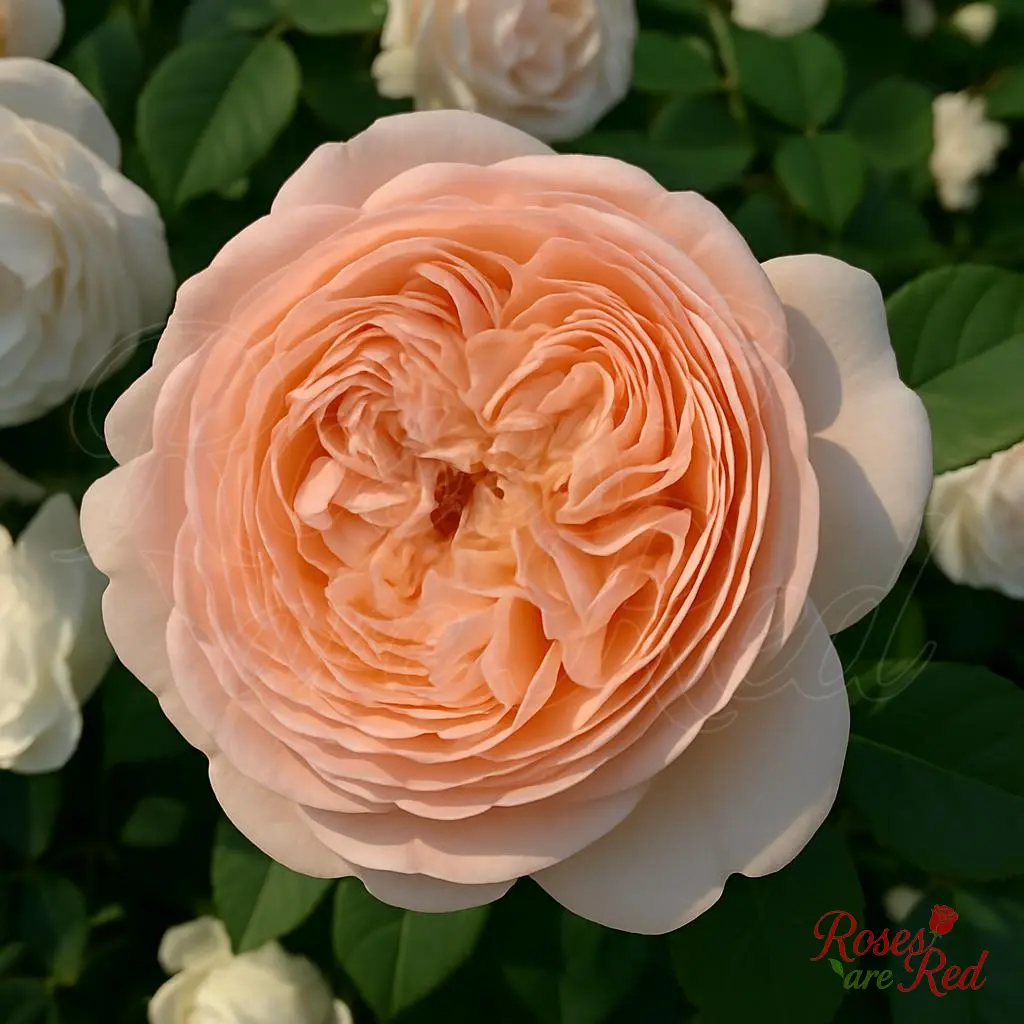
Modern Rose, shrub "Ambridge Rose", United Kingdom, introduced by David C. H. Austin in 1990, Usually is peach in color, cupped bloom shape, very full petal count, blooms 7 - 8 cm in size, has 1-3 buds per stem, repeat rebloom, has rich fragrance, the bush shape can be bushy, upright, 60 - 75 cm in height, 60 cm in width, suitable for USDA zone 5 from -29°C and above, moderate resistance to heat, strong resistance to shade, moderate resistance to rain, moderate resistance to black spot, low resistance to mildew.
Main characteristics

Aroma

USDA Zone 5
-29°С

Rebloom


Bush Shape


Bloom Shape
Cupped
Size
Height
60 - 75 cm

Width
60 cm
Bloom size
7 - 8 cm

Buds / Stem
1-3

Petal Count
Very full
Resistance

Heat

Shade

Rain

Black Spot
Mildew
More information
This variety remains short even in hot climates. The plant forms a low, tidy, compact bush, often planted at the front edge of borders. Flowers are pale porcelain pink with an apricot tinge at the center, fading to a very pale pink. The outer petals are paler than the warmer pink center. Buds start deeply calyx-shaped, later opening into rosettes. Blooms appear singly or in clusters of up to 5; petals drop cleanly. Foliage is dark, with bronze young growth; the bush is very thorny. Repeat-flowering is quick, and the plant is rarely without blooms. Winter-hardy and disease-resistant.
One of the low-growing English roses. The bush is fairly spreading, with large, matte green leaves. In summer, single buds develop on long, slender shoots. Flowers are densely double, cup-shaped, often flattening. On fully open blooms, which bow under their own weight, soft pink petals surround an apricot-yellow center. The flowers have a myrrh fragrance.
A low, branching rose. Used in small gardens and at the front of large borders, or as a bedding rose. The flowers are medium-sized, apricot pink, very pale pink toward the edges. Neatly cup-shaped at first, later opening into rosette-shaped blooms. Hardy and free-flowering.
One of the low-growing English roses. The bush is fairly spreading, with large, matte green leaves. In summer, single buds develop on long, slender shoots. Flowers are densely double, cup-shaped, often flattening. On fully open blooms, which bow under their own weight, soft pink petals surround an apricot-yellow center. The flowers have a myrrh fragrance.
A low, branching rose. Used in small gardens and at the front of large borders, or as a bedding rose. The flowers are medium-sized, apricot pink, very pale pink toward the edges. Neatly cup-shaped at first, later opening into rosette-shaped blooms. Hardy and free-flowering.
Popular Breeders
Articles