

 Sign in
 Rose Catalog
Amber Queen, floribunda
Also known as
HARroony
Prinz Eugen von Savoyen
Share
Prices nearby
or to see prices for this rose


















Brief summary
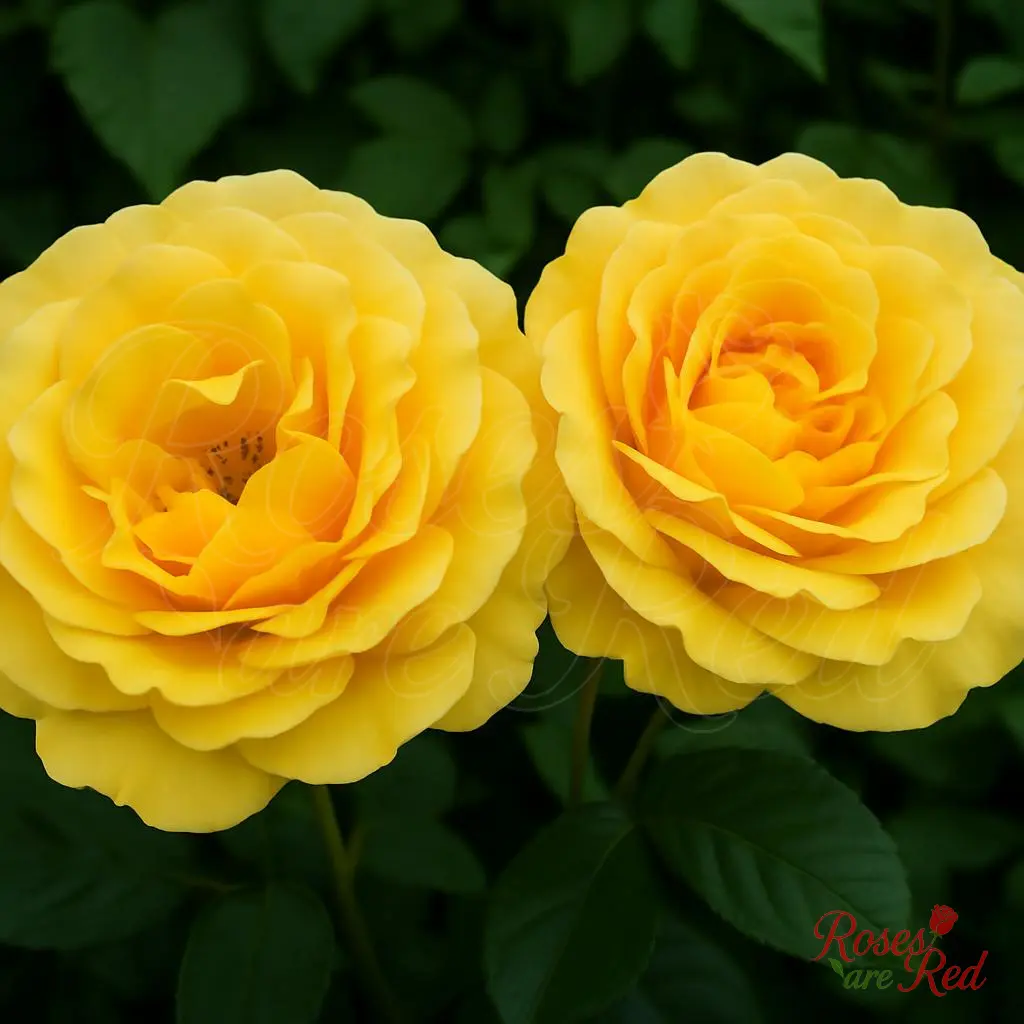
Modern Rose, floribunda "Amber Queen", introduced by Harkness & Co. Ltd in 1983, Usually is yellow in color, deep cup bloom shape, blooms 7 - 8 cm in size, has 3-5 buds per stem, continual rebloom, has moderate fragrance, the bush shape can be spreading, 75 - 100 cm in height, 65 cm in width, suitable for USDA zone 6 from -23°C and above, low resistance to rain, strong resistance to black spot, strong resistance to mildew.
Main characteristics

Aroma

USDA Zone 6
-23°С

Rebloom


Bush Shape

Bloom Shape
Deep cup
Size

Height
75 - 100 cm

Width
65 cm

Bloom size
7 - 8 cm

Buds / Stem
3-5

Petal Count
Resistance

Heat

Shade

Rain

Black Spot
Mildew
More information
Amber Queen is a floribunda of this colour suited to cold climates. Colour varies—at times the flowers are more yellow or pink than amber—but typically the tone is deep apricot, close to amber. Blooms are large for a floribunda, borne in loose clusters, usually 3–7, sometimes more; the first bloom to open in a cluster is generally the largest and most double. Foliage is unusually large, bronze at first, then dark green and glossy. The shrub has a spreading habit. Amber Queen shows disease resistance, and the interval between flowering flushes is very short.
The amber-yellow Amber Queen produces abundant bloom among modern roses. The flowers are medium-sized, of regular form, fragrant; the warm colour is paired with dark foliage bearing a bronze tinge. The shrub is low-growing. According to the hybridiser, the cultivar is ideal for growing on a tree.
An old variety. Blooms continuously. Amber Queen forms a medium-sized bush, up to 120*100 cm. Blooms all summer. It is the ancestor of many yellow roses.
A spreading bush up to 50 cm with very large flowers of rich amber colour. The flowers are very fragrant.
Petal colour is described as pure, bright, deep amber-yellow; only in the hottest sun does it tend toward golden yellow. Full colour expression appears in a sunny site; in humid climates the flowers may be damaged. The flowers are fragrant, with apple and lemon notes. There are usually no more than five flowers in the cyst-shaped inflorescences. The rose begins blooming earlier than others, and the flowering is long. The plant is not tall, with a compact, dense crown. It benefits from strong pruning. In windy places, the flowers may droop under their own weight. In dry, hot summers it can be mildly affected by powdery mildew. It is generally characterised by good hardiness. Site selection is important—avoid planting in a windy location. In full sun, the flowers can be smaller.
The amber-yellow Amber Queen produces abundant bloom among modern roses. The flowers are medium-sized, of regular form, fragrant; the warm colour is paired with dark foliage bearing a bronze tinge. The shrub is low-growing. According to the hybridiser, the cultivar is ideal for growing on a tree.
An old variety. Blooms continuously. Amber Queen forms a medium-sized bush, up to 120*100 cm. Blooms all summer. It is the ancestor of many yellow roses.
A spreading bush up to 50 cm with very large flowers of rich amber colour. The flowers are very fragrant.
Petal colour is described as pure, bright, deep amber-yellow; only in the hottest sun does it tend toward golden yellow. Full colour expression appears in a sunny site; in humid climates the flowers may be damaged. The flowers are fragrant, with apple and lemon notes. There are usually no more than five flowers in the cyst-shaped inflorescences. The rose begins blooming earlier than others, and the flowering is long. The plant is not tall, with a compact, dense crown. It benefits from strong pruning. In windy places, the flowers may droop under their own weight. In dry, hot summers it can be mildly affected by powdery mildew. It is generally characterised by good hardiness. Site selection is important—avoid planting in a windy location. In full sun, the flowers can be smaller.
Popular Breeders
Articles