


 Sign in
 Rose Catalog
Alushta, large-flowered climber

Prices nearby



















Brief summary
Main characteristics







Size





Resistance





More information
The rose is an upright, pyramidal shrub reaching about 150 cm in height. Shoots are green, with young shoots showing moderate anthocyanin coloration. Thorns are few, hook-shaped, and reddish.
Leaves are medium-sized and green. The terminal leaflet is elliptical, with a rounded base and pointed apex; margin waviness is weak.
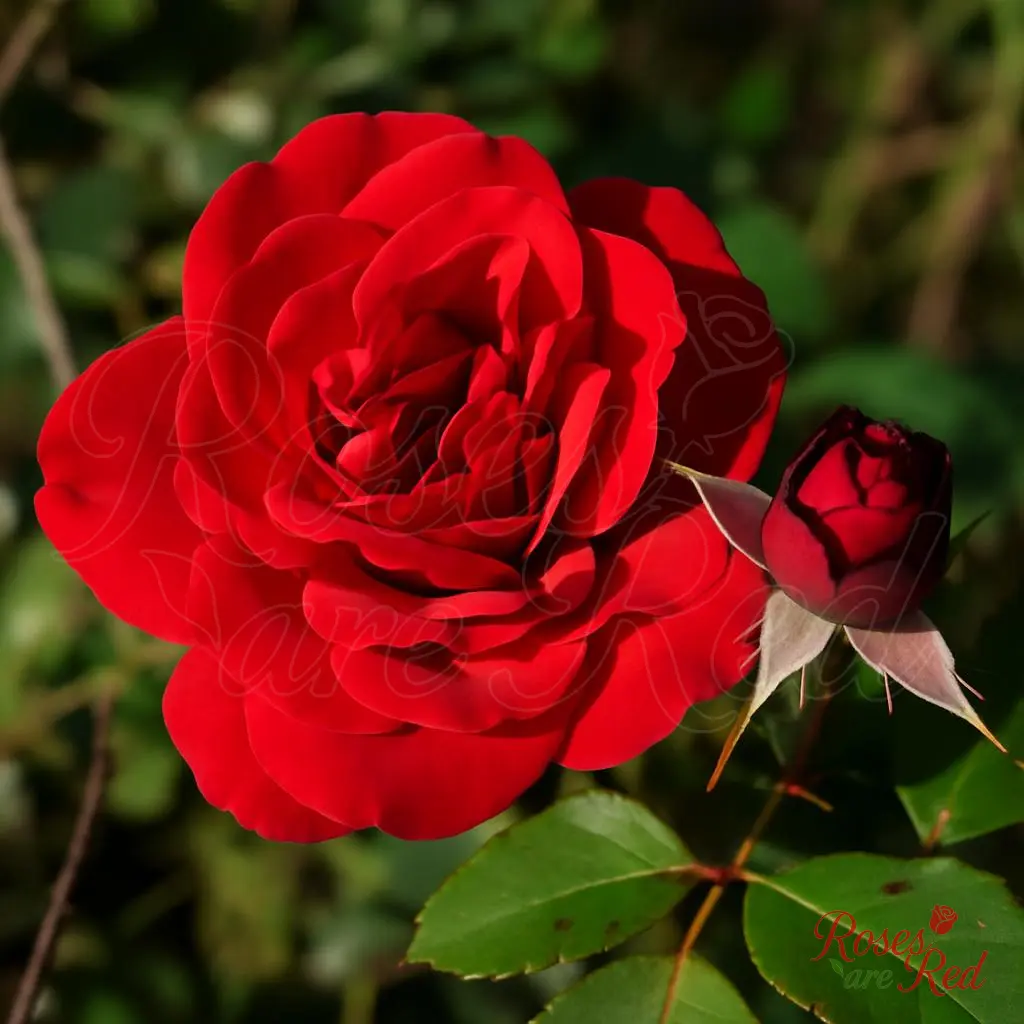
Flowers are large, double, and densely clustered, with an ovoid shape and an average diameter of about 10 cm. They are usually borne in inflorescences of around 12 blooms. Petals are elliptical, with absent or very weak notching, weak edge curvature, and weak waviness. The basic color of both outer and inner petal surfaces is bright red, with a small light-yellow spot at the base on the inner side. The fragrance is weak. Flowering is abundant and remontant, occurring repeatedly in flushes throughout the season.
The variety has few or no prickles and an upright growth habit with medium foliage density. It shows high resistance to diseases and pests, heat tolerance, medium drought tolerance, and medium winter hardiness.
This is a large-flowered climbing rose bred in Ukraine by Zinaida Konstantinovna Klimenko. The patent holder is FGBUN “Order of the Red Banner of Labour Nikitsky Botanical Garden–National Scientific Centre of RAS.”