


 Sign in
 Rose Catalog
Aloha, large-flowered climber

Share
Prices nearby
or to see prices for this rose



















Brief summary
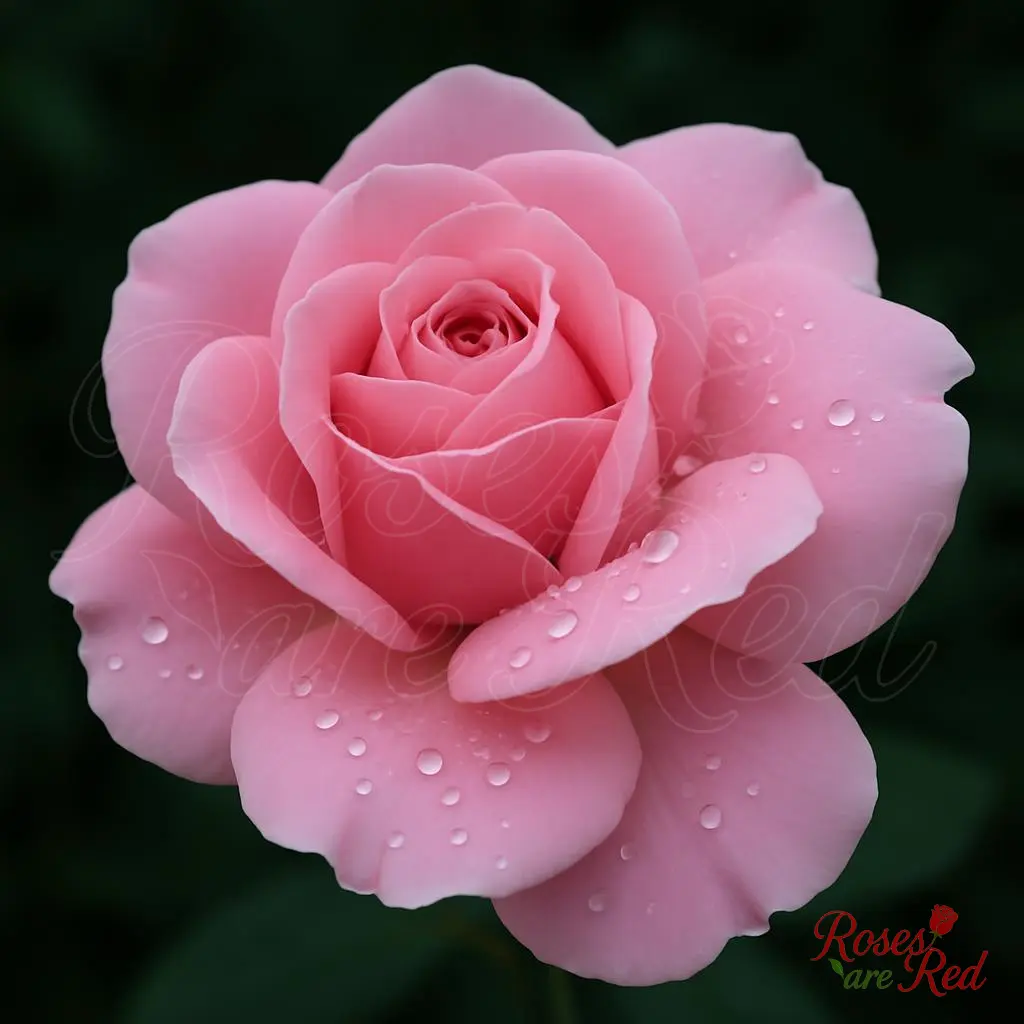
Modern Rose, large-flowered climber "Aloha", United States, introduced by Eugene S. Boerner in 1949, Usually is pink in color, globular bloom shape, blooms 9 - 10 cm in size, has 1-3 buds per stem, repeat rebloom, has rich fragrance, the bush shape can be climbing, upright, 250 - 300 cm in height, 200 cm in width, suitable for USDA zone 5 from -29°C and above, strong resistance to rain, moderate resistance to black spot, moderate resistance to mildew.
Main characteristics

Aroma

USDA Zone 5
-29°С

Rebloom


Bush Shape


Bloom Shape
Globular
Size

Height
250 - 300 cm

Width
200 cm

Bloom size
9 - 10 cm

Buds / Stem
1-3

Petal Count
Resistance

Heat

Shade

Rain

Black Spot

Mildew
More information
Aloha is a variegated rose whose buds resemble those of hybrid teas; they open gradually, concealing the high petal count until the petals begin to curve outward and the bloom expands. The overall effect is a rich, warm pink, but the palette is layered: inner petals start red and fade to pale crimson with hints of terracotta or salmon, while outer petals begin deep pink and mature to warm pink. Each petal shows a paler edge, a darker reverse, and a deeper base, producing an iridescent look. Petals shatter cleanly, and rain does not spoil the blooms. Flowers appear in small clusters, sometimes singly, and hold well when cut. Foliage is very glossy; young leaves are bronze, later dark green, remaining tough and leathery. Flowering is heavy with good rebloom; the plant can be trained as a pleached rose, up an obelisk, or grown as a free-standing shrub. Occasional slight damage from powdery mildew or rust occurs. Aloha tolerates poor soil, yet grows slowly even in fertile ground. It performs better in hot climates and is also very hardy and rain-tolerant.
An old variety. A progenitor of many modern roses. Withstands semi-shade well.
Blooms are very double and very fragrant, warm pink with a darker reverse and copper‑pink shadows. Foliage is bright green with a bronze cast. Flowers profusely and for a prolonged period. Growth is slow, so prune moderately. Tolerates poor soils. Holds well as a cut flower.
This variegated rose is widely grown worldwide. From early summer, large rounded buds open to densely petalled, cup-shaped flowers up to 11 cm in diameter. Petals are soft pink with a breath of salmon, deeper on the reverse. Aloha blooms abundantly in early summer; repeat flowering in summer and autumn is also abundant. Shoots are stiff and erect; foliage is dark green and shiny. Site choice can be nuanced: it is usually classed as a pleached rose, yet it also works as a shrub. On supports—pole, pergola, arch, hedge—Aloha reaches 2–3 m. With lower pruning it can function as a long-blooming shrub for a mixed border. Can be affected by powdery mildew in unfavorable conditions.
This large-flowered pleached rose bears buds reminiscent of hybrid teas that open into flat blooms (9–10 cm in diameter), with petals curving outward to form a rounded flower. The apparent color is dense pink, but inner petals are red and fade to crimson, while outer petals are dark at first and then fade to pink. All petals display paler edges. The fragrance is intense; petals shatter cleanly and are not harmed by rain. Blooms appear singly or in small clusters. Foliage is shiny, young bronze, and stiff, leathery. Flowers profusely; winter-hardy.
Aloha’s cachet-shaped flowers are double to very double, 7–13 cm in diameter, and very fragrant. Flowering is very abundant both early in the season and in autumn. Petals are clear pink with a darker underside; a warm orange‑pink tone is present in the center. Foliage is dark, glossy, leathery. Although classified as a pleached rose, it can also be grown as a shrub. Blooms are drooping. Performs well as a cut flower.
An old variety. A progenitor of many modern roses. Withstands semi-shade well.
Blooms are very double and very fragrant, warm pink with a darker reverse and copper‑pink shadows. Foliage is bright green with a bronze cast. Flowers profusely and for a prolonged period. Growth is slow, so prune moderately. Tolerates poor soils. Holds well as a cut flower.
This variegated rose is widely grown worldwide. From early summer, large rounded buds open to densely petalled, cup-shaped flowers up to 11 cm in diameter. Petals are soft pink with a breath of salmon, deeper on the reverse. Aloha blooms abundantly in early summer; repeat flowering in summer and autumn is also abundant. Shoots are stiff and erect; foliage is dark green and shiny. Site choice can be nuanced: it is usually classed as a pleached rose, yet it also works as a shrub. On supports—pole, pergola, arch, hedge—Aloha reaches 2–3 m. With lower pruning it can function as a long-blooming shrub for a mixed border. Can be affected by powdery mildew in unfavorable conditions.
This large-flowered pleached rose bears buds reminiscent of hybrid teas that open into flat blooms (9–10 cm in diameter), with petals curving outward to form a rounded flower. The apparent color is dense pink, but inner petals are red and fade to crimson, while outer petals are dark at first and then fade to pink. All petals display paler edges. The fragrance is intense; petals shatter cleanly and are not harmed by rain. Blooms appear singly or in small clusters. Foliage is shiny, young bronze, and stiff, leathery. Flowers profusely; winter-hardy.
Aloha’s cachet-shaped flowers are double to very double, 7–13 cm in diameter, and very fragrant. Flowering is very abundant both early in the season and in autumn. Petals are clear pink with a darker underside; a warm orange‑pink tone is present in the center. Foliage is dark, glossy, leathery. Although classified as a pleached rose, it can also be grown as a shrub. Blooms are drooping. Performs well as a cut flower.
Popular Breeders
Articles