
 Sign in
 Rose Catalog
Alchymist, shrub

Also known as
Alchemist
Alchimiste
Alchymiste
The Alchymist
Share
Prices nearby
or to see prices for this rose

















Brief summary
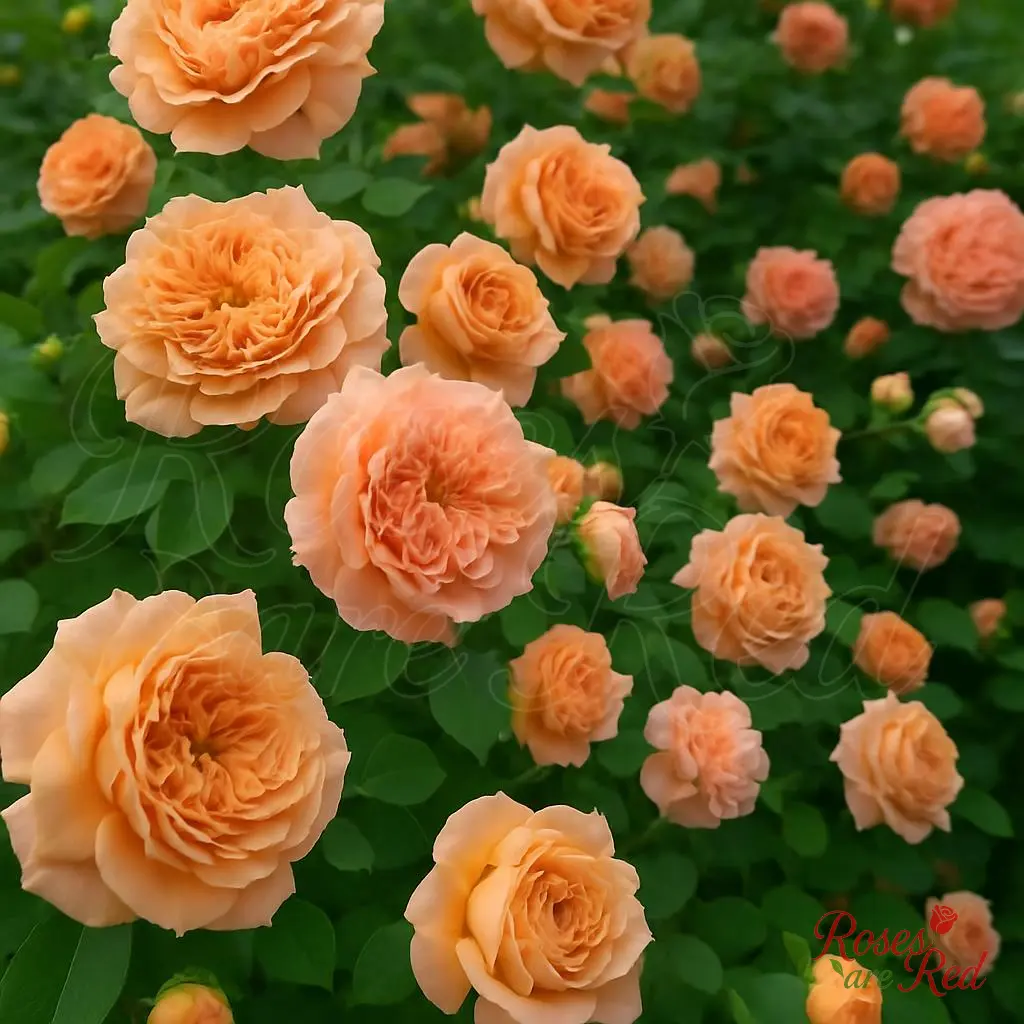
Modern Rose, shrub "Alchymist", Germany, introduced by Kordes Rosen in 1956, Usually is peach in color, globular bloom shape, blooms 10 - 11 cm in size, has 3-5 buds per stem, once rebloom, has light fragrance, the bush shape can be upright, 200 - 300 cm in height, 200 cm in width, suitable for USDA zone 5 from -29°C and above, low resistance to rain, low resistance to black spot, moderate resistance to mildew.
Main characteristics

Aroma

USDA Zone 5
-29°С

Rebloom


Bush Shape

Bloom Shape
Globular
Size

Height
200 - 300 cm

Width
200 cm
Bloom size
10 - 11 cm
Buds / Stem
3-5

Petal Count
Resistance

Heat

Shade

Rain

Black Spot
Mildew
More information
Alchemy in Alchymist refers to its shifting coloration: under specific weather patterns the tone deepens to a saturated golden yellow. The hue changes continually; typically the outer petals are yellow and the inner ones pink, creating an overall apricot effect. With time, the yellow areas fade while the pink intensifies, especially in heat. Buds open cupped; later the petals reflex and the bloom becomes a rosette, often flattening. Inflorescences are usually clusters of 3–7 flowers, producing a prolonged single flush. The plant forms a strong, upright bush that can appear loose. Cold-hardy. Foliage is susceptible to black spot.
Thick, bushy plant bearing flattened, old-fashioned blooms in rich yellow with cream and peach tones; strongly fragrant. Foliage bright green and glossy. Medium vigor, very thorny; suitable for a trellis or low obelisk. Cold-resistant.
Robust but rather rigid growth to about 3.5 m tall and 2.5 m wide. Flowers large, densely petalled, flattened, and scented. Color yellow with apricot and golden shades. Tolerates partial shade and poorer soils.
Although a modern cultivar, Alchymist resembles old garden roses with luxuriant quartered blooms. Color is distinctive: pale yellow buds open to bright yellow flowers with orange, copper, and apricot hues. Color varies markedly with weather. Blooms are long-lasting and highly fragrant. When grown on supports, shoots should be trained while young, as they later stiffen and are difficult to tie into position. Dark green foliage is very susceptible to black spot.
A “transition” cultivar maintained in cultivation; the color is variable and the plant can also be used as a shrub. Large blooms appear in clusters. The palette is most often a soft creamy orange, with yellow, cream, pink, and near-white tones. Susceptible to black spot in hot climates. Single flush.
Large, densely petalled blooms on trained plants start yellow, then shift to soft pink with salmon, orange, or apricot tones. The flush is abundant but brief. Strong fragrance. Vigorous growth with shiny bronze‑green foliage that darkens with age. Some susceptibility to powdery mildew. Suitable for shaded sites.
Formally classified as a shrub, Alchymist performs both as a shrub and as a climbing rose. Flowers are large, very double, nearly flat, up to 10 cm in diameter. The variety produces a heavy flush for several weeks in early summer. The plant is tall with arching canes; effective at the back of a mixed border or in shrub groupings. Where space is limited for a once‑blooming rose, it can be trained along a wall or hedge.
Tall and slender; can be grown as a shrub with a fountain of arched, drooping shoots, or tied to supports as a climber. Blooms carry golden tones mixed with apricot, producing a warm appearance; the form is flattened and antique in style. Flowering is very abundant in a single flush. As a Kordes hybrid, it shows notable winter hardiness.
Shade‑tolerant.
Thick, bushy plant bearing flattened, old-fashioned blooms in rich yellow with cream and peach tones; strongly fragrant. Foliage bright green and glossy. Medium vigor, very thorny; suitable for a trellis or low obelisk. Cold-resistant.
Robust but rather rigid growth to about 3.5 m tall and 2.5 m wide. Flowers large, densely petalled, flattened, and scented. Color yellow with apricot and golden shades. Tolerates partial shade and poorer soils.
Although a modern cultivar, Alchymist resembles old garden roses with luxuriant quartered blooms. Color is distinctive: pale yellow buds open to bright yellow flowers with orange, copper, and apricot hues. Color varies markedly with weather. Blooms are long-lasting and highly fragrant. When grown on supports, shoots should be trained while young, as they later stiffen and are difficult to tie into position. Dark green foliage is very susceptible to black spot.
A “transition” cultivar maintained in cultivation; the color is variable and the plant can also be used as a shrub. Large blooms appear in clusters. The palette is most often a soft creamy orange, with yellow, cream, pink, and near-white tones. Susceptible to black spot in hot climates. Single flush.
Large, densely petalled blooms on trained plants start yellow, then shift to soft pink with salmon, orange, or apricot tones. The flush is abundant but brief. Strong fragrance. Vigorous growth with shiny bronze‑green foliage that darkens with age. Some susceptibility to powdery mildew. Suitable for shaded sites.
Formally classified as a shrub, Alchymist performs both as a shrub and as a climbing rose. Flowers are large, very double, nearly flat, up to 10 cm in diameter. The variety produces a heavy flush for several weeks in early summer. The plant is tall with arching canes; effective at the back of a mixed border or in shrub groupings. Where space is limited for a once‑blooming rose, it can be trained along a wall or hedge.
Tall and slender; can be grown as a shrub with a fountain of arched, drooping shoots, or tied to supports as a climber. Blooms carry golden tones mixed with apricot, producing a warm appearance; the form is flattened and antique in style. Flowering is very abundant in a single flush. As a Kordes hybrid, it shows notable winter hardiness.
Shade‑tolerant.
Popular Breeders
Articles