

 Sign in
 Rose Catalog
Alberic Barbier, hybrid wichurana

Share
Prices nearby
or to see prices for this rose



















Brief summary
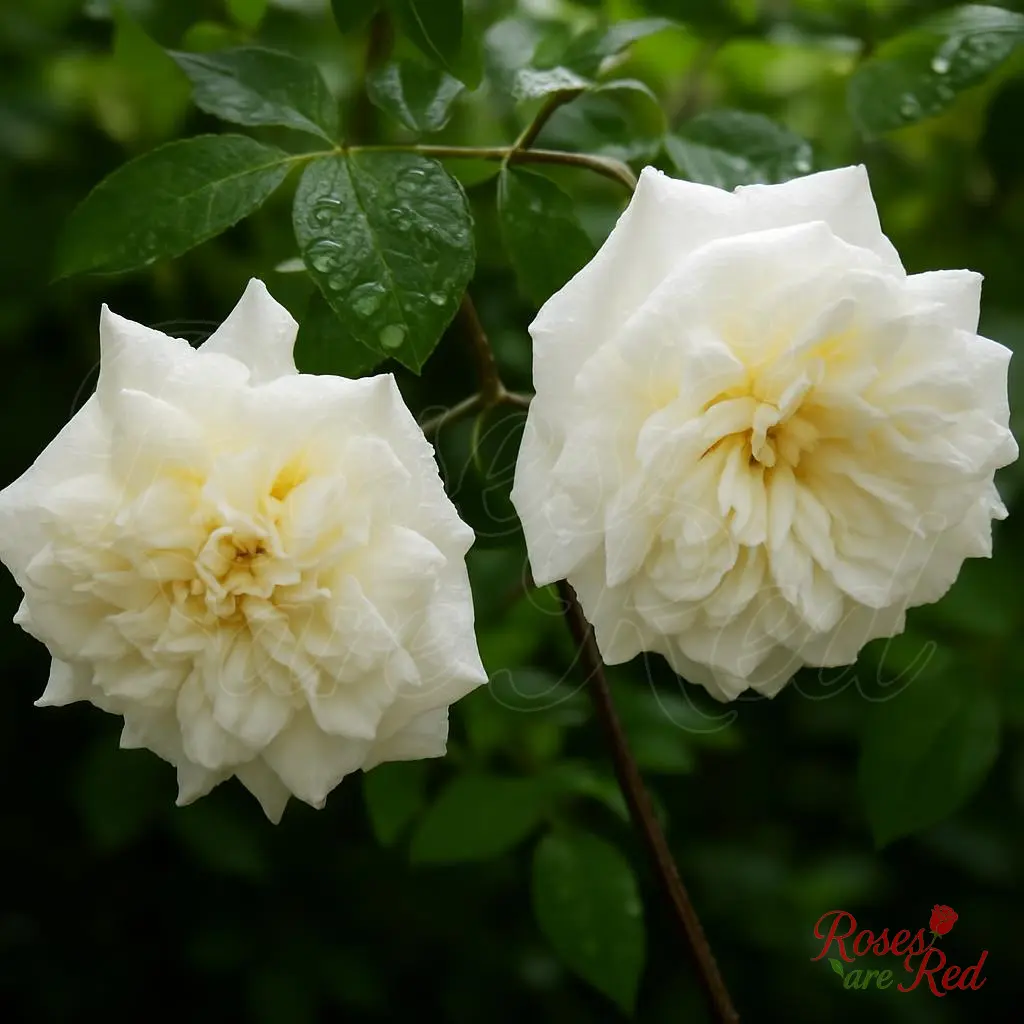
Modern Rose, hybrid wichurana "Alberic Barbier", France, introduced by Barbier Frères & Compagnie in 1900, Usually is ivory in color, globular bloom shape, blooms 7 - 8 cm in size, has 1-3 buds per stem, once rebloom, has rich fragrance, the bush shape can be arching, 500 - 700 cm in height, 400 cm in width, suitable for USDA zone 2 from -46°C and above, low resistance to rain, moderate resistance to black spot, moderate resistance to mildew.
Main characteristics

Aroma

USDA Zone 2
-46°С

Rebloom


Bush Shape

Bloom Shape
Globular
Size
Height
500 - 700 cm

Width
400 cm
Bloom size
7 - 8 cm

Buds / Stem
1-3

Petal Count
Resistance

Heat

Shade

Rain

Black Spot
Mildew
More information
Alberic Barbier is an old rambler, widespread in warm-climate regions yet winter-hardy in colder areas. Flowers open from bright apricot buds, then fade first to cream and finally to white. Form varies: at times semi-double with golden stamens visible, and at times fuller, resembling Tea roses. Suitable for covering a small tree, pergola, archway, or wall. Blooms appear singly or in small clusters, very numerous, with 1–2 additional flushes possible later in the year. Foliage is fine-textured, dark, glossy, almost evergreen; young shoots are crimson, providing contrast to the blooms. The plant is disease-resistant, vigorous, and tolerant of poor conditions.
In cultivation for over 100 years since its introduction. Elongated pale-yellow buds open to creamy white, apple-scented flowers about 8 cm across, set against dark green, glossy foliage. After the first very abundant flush, single blooms continue through the rest of the season. Tolerates semi-shade. Prune in late summer. In the first two years, shorten side shoots to 8 cm. Thereafter, remove one third of the oldest basal shoots annually.
Creamy coloration results from a blend of yellowish white and light yellow tones. Petals are susceptible to damage in wet weather. Flowers reach about 8 cm in diameter. Early in the season, the plant carries many cluster-like inflorescences. If spent blooms are removed, some additional flowers follow later. This vigorous climber can reach about 7.5 m in height and 4.5 m in width. Requires ample space and is not suited to small plots. Choose a bright site with some direct sun. In cold-climate regions, provide winter cover and shelter from spring winds.
Rounded buds open to double, creamy-white blooms with a lemon tint, set off by dark green, glossy foliage. Vigorous growth; thorns are sparse. Reaches about 6 m. Flowers are prone to damage from rain and wind.
An old climbing rose. Blooms are carried in dense clusters, creamy with a yellowish tinge. Open flowers are almost flat, with a compact mass of petals, and have a light, fresh fragrance. Petals of spent blooms often fail to drop and turn brown on the plant, especially in rainy weather. Stems are thin and flexible, so they are best tied at the desired height, from which they will hang in a cascading display. Flowers in June and July. Leaves are thin and light green, maturing to dark green. Susceptible to black spot.
An old variety with flexible shoots, dark green foliage, and sparse spines. Flowers are large, double or semi-double, creamy white, with medium fragrance. Blooms once in summer, with some later individual flowers. Tolerates semi-shade and poor soils.
Yellow buds of the classic Alberic Barbier form open to creamy white flowers with a yellow tinge. Blooms are semi-double or double, 6–8 cm in diameter, with a delicate fruity scent. Abundant early-summer flowering, sometimes with a few autumn blooms. Foliage is glossy, dark, and almost evergreen, on purple shoots. This climber requires considerable space; shoots can extend 6–7 m in a season. Horizontally trained shoots often produce lateral branches that can be arranged in waves. Can also be used as a ground cover. Tolerates semi-shade and heat.
Shade-tolerant and heat-tolerant variety.
In cultivation for over 100 years since its introduction. Elongated pale-yellow buds open to creamy white, apple-scented flowers about 8 cm across, set against dark green, glossy foliage. After the first very abundant flush, single blooms continue through the rest of the season. Tolerates semi-shade. Prune in late summer. In the first two years, shorten side shoots to 8 cm. Thereafter, remove one third of the oldest basal shoots annually.
Creamy coloration results from a blend of yellowish white and light yellow tones. Petals are susceptible to damage in wet weather. Flowers reach about 8 cm in diameter. Early in the season, the plant carries many cluster-like inflorescences. If spent blooms are removed, some additional flowers follow later. This vigorous climber can reach about 7.5 m in height and 4.5 m in width. Requires ample space and is not suited to small plots. Choose a bright site with some direct sun. In cold-climate regions, provide winter cover and shelter from spring winds.
Rounded buds open to double, creamy-white blooms with a lemon tint, set off by dark green, glossy foliage. Vigorous growth; thorns are sparse. Reaches about 6 m. Flowers are prone to damage from rain and wind.
An old climbing rose. Blooms are carried in dense clusters, creamy with a yellowish tinge. Open flowers are almost flat, with a compact mass of petals, and have a light, fresh fragrance. Petals of spent blooms often fail to drop and turn brown on the plant, especially in rainy weather. Stems are thin and flexible, so they are best tied at the desired height, from which they will hang in a cascading display. Flowers in June and July. Leaves are thin and light green, maturing to dark green. Susceptible to black spot.
An old variety with flexible shoots, dark green foliage, and sparse spines. Flowers are large, double or semi-double, creamy white, with medium fragrance. Blooms once in summer, with some later individual flowers. Tolerates semi-shade and poor soils.
Yellow buds of the classic Alberic Barbier form open to creamy white flowers with a yellow tinge. Blooms are semi-double or double, 6–8 cm in diameter, with a delicate fruity scent. Abundant early-summer flowering, sometimes with a few autumn blooms. Foliage is glossy, dark, and almost evergreen, on purple shoots. This climber requires considerable space; shoots can extend 6–7 m in a season. Horizontally trained shoots often produce lateral branches that can be arranged in waves. Can also be used as a ground cover. Tolerates semi-shade and heat.
Shade-tolerant and heat-tolerant variety.
Popular Breeders
Articles