


 Sign in
 Rose Catalog
Share
Prices nearby
or to see prices for this rose



















Brief summary
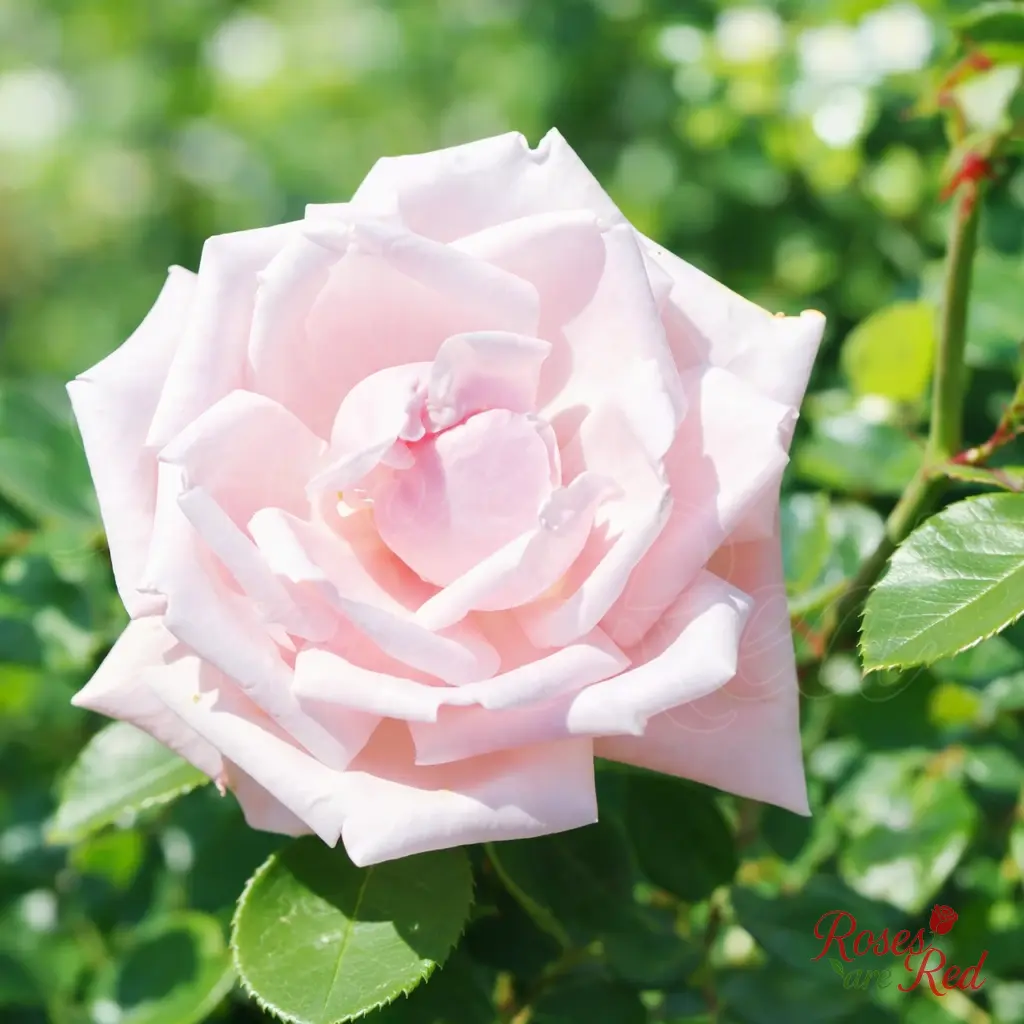
Modern Rose, climber "Aëlita", USSR, introduced by Shtanko I.I. in 1952, Usually is white, green in color, high-center (point) bloom shape, very full petal count, blooms 8 - 10 cm in size, has 3-5 buds per stem, repeat rebloom, has rich fragrance, the bush shape can be climbing, arching, 160 - 300 cm in height, suitable for USDA zone 6 from -23°C and above, moderate resistance to rain, moderate resistance to black spot, low resistance to mildew.
Main characteristics

Aroma

USDA Zone 6
-23°С

Rebloom


Bush Shape


Bloom Shape
High-center (Point)
Size

Height
160 - 300 cm

Width

Bloom size
8 - 10 cm

Buds / Stem
3-5

Petal Count
Very full
Resistance

Heat

Shade

Rain

Black Spot

Mildew
More information
1988 description : Flowers white with a greenish cast, high-centred, large (8–9 cm), double (about 50 petals), strongly scented, borne singly and in inflorescences of up to 5, on long, sturdy pedicels. Leaves small, dark green, glossy, rounded, typically with 5 leaflets. Bushes reach up to 3 m in height, spreading and dense. Repeat-flowering with an extended blooming period. Winter-hardy. Resistant to powdery mildew. Suitable for group plantings, cutting, and vertical landscaping.
Description of the Aelita cultivar from the book “Roses in Leningrad,” Lenizdat, 1972:
“Aelita. Bred in 1952. Flowers white with a greenish tint toward the centre, cup-shaped, up to 12 cm in diameter, double (35 petals), fragrant, 1–2 per inflorescence. Flowering is moderate from the end of July, then weaker. The bush is branched, more than 1.5 m tall. Leaves dark green, small, glossy. Resistant to diseases. Cold-resistant. Can be used for cutting and vertical gardening. Recommended for industrial propagation.”
From a 1963 article:
colour — white with a greenish tinge;
double — 50 petals;
flower diameter — 8–10 cm;
strong fragrance;
average shoot length — 2 metres;
flowering period (GBS AS USSR) — 6 July – 1 September.
Description of the Aelita cultivar from the book “Roses in Leningrad,” Lenizdat, 1972:
“Aelita. Bred in 1952. Flowers white with a greenish tint toward the centre, cup-shaped, up to 12 cm in diameter, double (35 petals), fragrant, 1–2 per inflorescence. Flowering is moderate from the end of July, then weaker. The bush is branched, more than 1.5 m tall. Leaves dark green, small, glossy. Resistant to diseases. Cold-resistant. Can be used for cutting and vertical gardening. Recommended for industrial propagation.”
From a 1963 article:
colour — white with a greenish tinge;
double — 50 petals;
flower diameter — 8–10 cm;
strong fragrance;
average shoot length — 2 metres;
flowering period (GBS AS USSR) — 6 July – 1 September.
Popular Breeders
Articles