

 Sign in
 Rose Catalog
Agnes, hybrid rugosa

Saunders (Saunders), 1900
Share
Prices nearby
or to see prices for this rose



















Brief summary
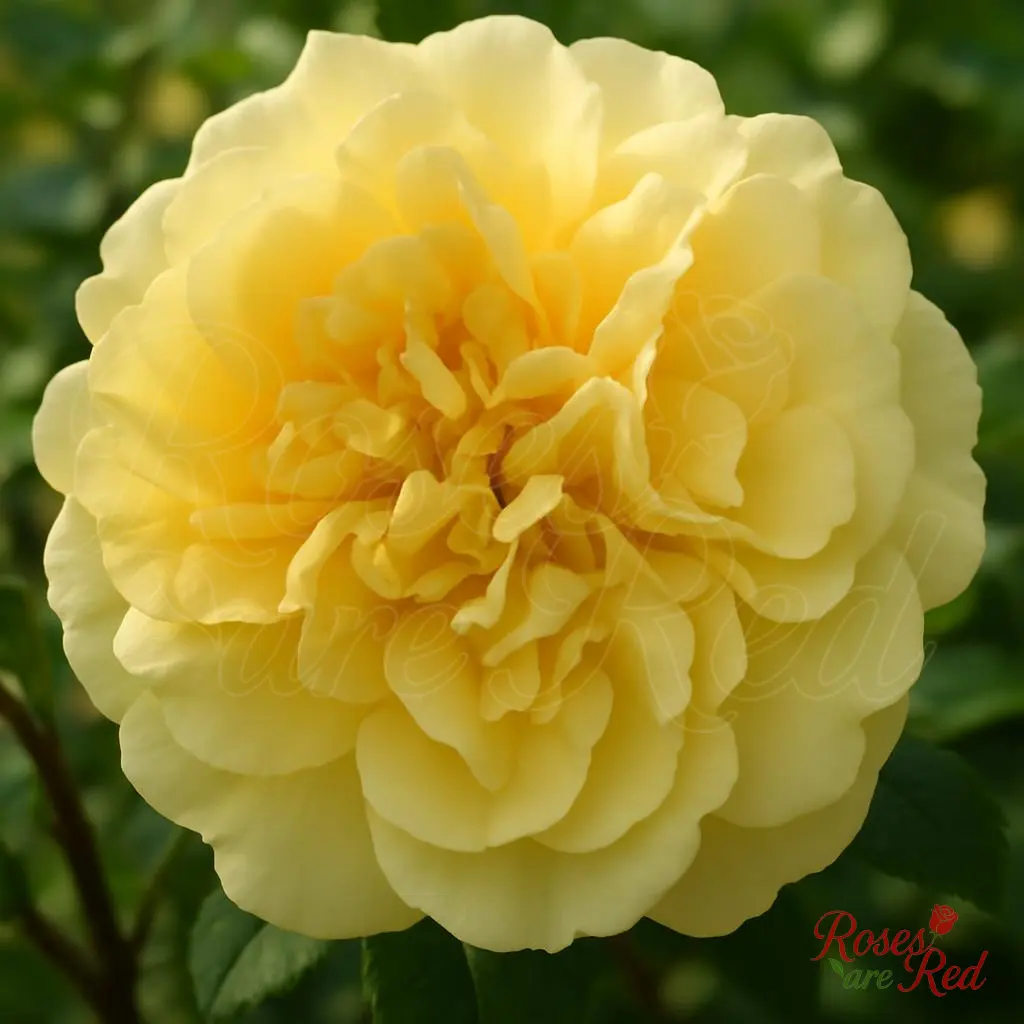
Modern Rose, hybrid rugosa "Agnes", Canada, introduced by Saunders in 1900, Usually is ivory in color, globular bloom shape, very full petal count, blooms 7 - 10 cm in size, has 1-3 buds per stem, once rebloom, has light fragrance, the bush shape can be arching, 130 - 150 cm in height, 125 cm in width, low resistance to rain, low resistance to black spot, moderate resistance to mildew.
Main characteristics

Aroma

Rebloom


Bush Shape

Bloom Shape
Globular
Size

Height
130 - 150 cm

Width
125 cm
Bloom size
7 - 10 cm
Buds / Stem
1-3

Petal Count
Very full
Resistance

Heat

Shade

Rain

Black Spot
Mildew
More information
Rosa rugosa is widely used in northern gardens, and many cultivars have been developed from it. Numerous efforts have aimed to obtain yellow Rugosa forms; ‘Agnes’ is among the few successful results. Reported traits include a fruity fragrance, flower colors ranging from apricot to pale yellow and ivory, high winter hardiness, and wrinkled olive foliage with low disease incidence. Petals are susceptible to damage from rain and strong winds.
Rugosa hybrid. Large flowers, about 7.5 cm in diameter, with an amber tinge. Fruity fragrance (sources differ on intensity). Petals fall readily, especially after rain. The bush is often bare at the base. Shoots are very prickly. May freeze in severe winters, but generally winter-hardy without shelter.
Buds are globular. Flowers creamy yellow, darker toward the center, saucer-shaped, large (7–8 cm), double (40–60 petals), fragrant, solitary and in clusters of 3–5, on stout, short pedicels (5–7 cm). Leaves small, shiny, wrinkled. Thorns numerous, awl-shaped. Shrubs upright, tall (2.5 m). Blooms among the earliest, for 20 days. Frost-resistant (slight freezing). For group plantings.
Rugosa hybrid. Large flowers, about 7.5 cm in diameter, with an amber tinge. Fruity fragrance (sources differ on intensity). Petals fall readily, especially after rain. The bush is often bare at the base. Shoots are very prickly. May freeze in severe winters, but generally winter-hardy without shelter.
Buds are globular. Flowers creamy yellow, darker toward the center, saucer-shaped, large (7–8 cm), double (40–60 petals), fragrant, solitary and in clusters of 3–5, on stout, short pedicels (5–7 cm). Leaves small, shiny, wrinkled. Thorns numerous, awl-shaped. Shrubs upright, tall (2.5 m). Blooms among the earliest, for 20 days. Frost-resistant (slight freezing). For group plantings.
Popular Breeders
Articles