 Sign in
 Rose Catalog
Share
Prices nearby
or to see prices for this rose













Brief summary
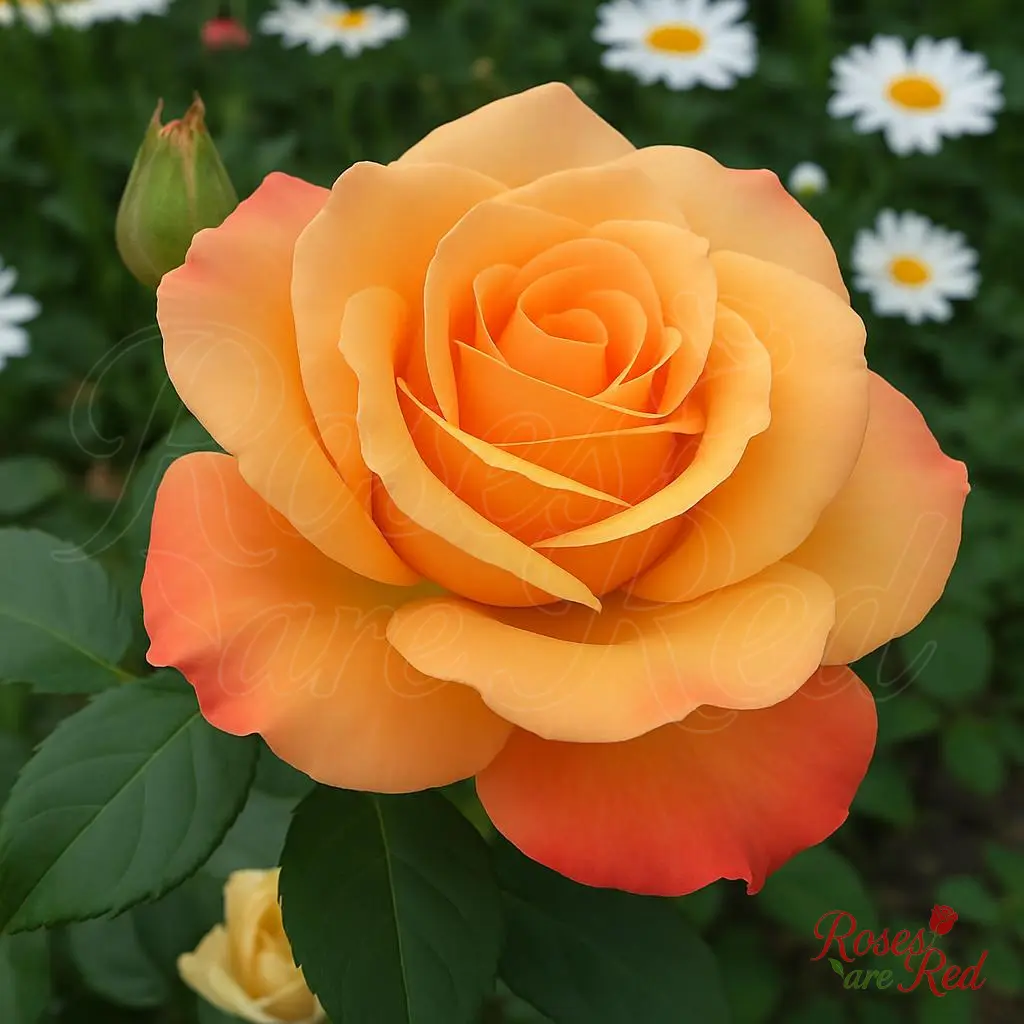
Modern Rose, hybrid tea "Adolf Horstmann", Germany, introduced by Kordes Rosen in 1971, Usually is yellow, peach in color, deep cup bloom shape, blooms 12 - 13 cm in size, has 1 buds per stem, repeat rebloom, has moderate fragrance, the bush shape can be upright, 100 - 125 cm in height, 100 cm in width, suitable for USDA zone 5 from -29°C and above, low resistance to rain, moderate resistance to black spot, moderate resistance to mildew, good for cutting.
Main characteristics

Aroma
USDA Zone 5
-29°С

Rebloom

Bush Shape

Bloom Shape
Deep cup
Size
Height
100 - 125 cm
Width
100 cm
Bloom size
12 - 13 cm
Buds / Stem
1
Petal Count
Resistance

Heat

Shade

Rain
Black Spot
Mildew
More information
Adolf Horstmann is a hybrid tea rose that retains its form across all stages of flowering, a trait uncommon for hybrid tea roses. Buds are small, opening to large blooms that, when fully open, resemble double peonies. Petals persist on the plant for a long time, even in heat. The color is a blend of rich yellow and pink: the overall impression is apricot at the beginning of flowering, then yellow, and finally pink. Flowers are almost always solitary on long, erect shoots, suitable for cutting. The bush has dark green foliage and shows disease resistance. Flowers abundantly. Bred in Germany; winter-hardy among modern roses and also adaptable to warm climates.
Buds are oval, dark yellow with brick-red strokes. Flowers are bright golden-yellow with an orange tinge, becoming faintly pink by the end of flowering; peony-shaped, densely petalled (55–60 petals), medium-sized (8–10 cm), fragrant, solitary. Leaves are large, shiny, dark green. Spines are frequent, both large and small. Shrubs are tall and straight, with sturdy shoots. Characterized by abundant and prolonged flowering, winter hardiness, and resistance to fungal diseases. Distinctive in the combination of color and flower shape. For groups, cutting, and shrub form. Introduced by GBS in 1971
Buds are oval, dark yellow with brick-red strokes. Flowers are bright golden-yellow with an orange tinge, becoming faintly pink by the end of flowering; peony-shaped, densely petalled (55–60 petals), medium-sized (8–10 cm), fragrant, solitary. Leaves are large, shiny, dark green. Spines are frequent, both large and small. Shrubs are tall and straight, with sturdy shoots. Characterized by abundant and prolonged flowering, winter hardiness, and resistance to fungal diseases. Distinctive in the combination of color and flower shape. For groups, cutting, and shrub form. Introduced by GBS in 1971
Popular Breeders
Articles